
Views: 0 Author: Site Editor Publish Time: 2026-09-14 Origin: Site


Polyetheretherketone (PEEK) ranks among the most premium engineering thermoplastics available today. Its exceptional mechanical strength and thermal resilience command a high price. You cannot afford material failure, hidden porosity, or internal stress during complex machining operations. Substandard polymer blanks quickly turn into unacceptable financial and operational risks.
This guide helps you transition from basic material selection to rigorous evaluation. We will show you how to ensure procured materials meet strict engineering tolerances and global compliance standards. You will learn to navigate the complex world of material verification and vendor auditing.
Trusting a generic datasheet is no longer sufficient. Demanding specific testing protocols, complete traceability, and comprehensive certificates of analysis (CoA) is mandatory. We provide an evidence-based roadmap to help you secure flawless materials for your most critical engineering applications.
Verifying PEEK sheet specifications requires a combination of non-destructive testing (like ultrasonic testing for voids) and standardized mechanical tests (ASTM/ISO).
Material traceability is critical; distinguishing a genuine Victrex PEEK sheet from generic or regrind blends demands strict documentation.
A reliable PEEK sheet supplier must provide lot-specific CoAs, compliance certificates (FDA, REACH, RoHS), and proof of proper annealing to prevent warping during CNC machining.
Application-specific testing (e.g., biocompatibility for medical, outgassing for aerospace) dictates the required material grade and testing tier.
Procuring unverified polymers introduces severe financial and operational hazards. Tool breakage during CNC machining often stems from unexpected hard spots. These hard spots indicate inconsistent cooling during the manufacturing process. Premature part failure in high-temperature environments damages your reputation significantly. Chemical processing components degrade rapidly if the polymer chain lacks proper integrity. You waste expensive machine hours and highly skilled labor on flawed blanks. A single batch of poor-quality material disrupts entire production schedules. We see engineers frequently underestimate the catastrophic impact of failing to verify base materials. Scrapping a complex manifold because of an internal void destroys profit margins instantly.
Procurement and engineering teams must define clear pass-fail metrics. A successful procurement cycle means receiving an unblemished peek sheet with zero internal voids. You require consistent dimensional stability across the entire batch. The material pedigree must feature fully documented traceability back to the resin manufacturer. We consider these elements baseline requirements rather than optional upgrades. Passing visual inspection means nothing if the internal molecular structure remains compromised. You must define success through hard data, laboratory results, and certified documentation.
Some extruders attempt to cut costs by mixing virgin resin with regrind scrap. This dangerous practice compromises mechanical integrity drastically. Regrind blends exhibit lower tensile strength and unpredictable thermal behavior. Repeated melting shortens the polymer chains, significantly reducing the material's inherent toughness. You also lose critical regulatory compliance when using undocumented scrap materials. Demanding explicit proof of 100% virgin resin protects your project from sudden catastrophic failures. We advise implementing strict contractual penalties for unauthorized regrind usage.
Extruding thick-gauge polymers requires highly precise temperature control. Improper cooling rates cause centerline defects and hidden porosity. You must scan thick blanks for internal voids using Ultrasonic Testing (UT). This non-destructive method uses high-frequency sound waves to map internal structures accurately. Sound waves bounce back differently when hitting an air pocket. Identifying porosity before machining saves you from discovering a void halfway through a complex milling operation. Always request a formal UT report for any stock exceeding half an inch in thickness.
This polymer derives its superior mechanical properties from its semi-crystalline structure. Differential Scanning Calorimetry (DSC) verifies the optimal level of crystallinity. This rigorous thermal analysis measures how the polymer absorbs and releases heat during controlled melting. Proper crystallinity directly impacts chemical resistance and high-temperature performance. An under-crystallized sheet will fail prematurely under heavy mechanical load. DSC testing guarantees the extrusion process achieved the correct molecular alignment.
A valid Certificate of Analysis (CoA) must cover non-negotiable data points. You should demand strict adherence to standardized mechanical baselines. Verifying these exact PEEK sheet specifications ensures the material performs exactly as engineered.
ASTM D638: Measures ultimate tensile strength and elongation at break precisely.
ASTM D790: Determines flexural modulus and overall bending strength.
ASTM D256: Evaluates Izod impact resistance and baseline toughness.
ASTM D695: Calculates compressive strength under heavy static loads.
You must cross-reference these laboratory values against your original engineering drawings to validate performance.
Internal stress remains the biggest enemy of tight machining tolerances. Extrusion naturally imparts severe thermal stress into the polymer matrix. Manufacturers must perform proper annealing cycles to relieve this trapped energy. Improperly annealed sheets will warp severely the moment a CNC cutter removes the outer skin. This sudden warping ruins your parts and wastes valuable material instantly. You must require documentation proving the material underwent appropriate thermal cycling. The thermal cycle must include a slow, controlled cool-down phase to lock in dimensional stability.
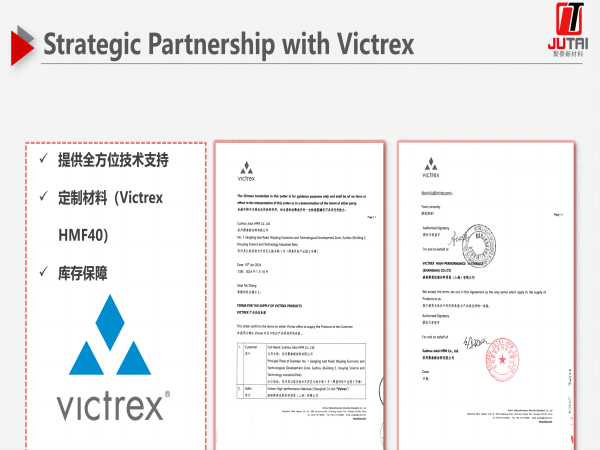
Specific industries demand strict documentary tests and government approvals. Food processing equipment requires explicit FDA compliance for direct food contact. Medical device components rely on ISO 10993 standards to guarantee absolute biocompatibility. Electronics manufacturing strictly mandates RoHS and REACH certifications to eliminate hazardous substances. You must verify these regulatory documents match the specific batch delivered to your dock. We frequently see delays when procurement fails to secure these certificates ahead of production.
High-performance polymers often operate in brutal, corrosive environments. You must validate chemical resistance against specific aggressive fluids. Testing against hydrogen sulfide (H2S), high-pressure steam, or aviation fuels proves the polymer's integrity. These environmental stress tests ensure the material will not degrade, swell, or crack in the field. The oil and gas sector often requires NORSOK M-710 certification to validate sour gas resistance. You should match the chemical test directly to your application's worst-case scenario.
Aerospace and semiconductor applications require highly specialized testing regimes. ASTM E595 evaluates vacuum outgassing to prevent volatile condensation on sensitive optics. A failed outgassing test ruins million-dollar satellite components. UL94 V-0 testing certifies the material's flammability resistance and self-extinguishing properties. These specialized requirements dictate a much higher testing tier from the laboratory. You must align your procurement strategy with these stringent environmental demands from the beginning.
The current market offers a wide spectrum of PAEK and PEEK polymers. Generic options exist, but established industry standards like a genuine victrex peek sheet dominate critical applications. Branded resins undergo rigorous quality control during the initial polymerization process. This unparalleled consistency translates directly to reliable machining and predictable field performance. Generic alternatives often suffer from batch-to-batch variations in melt flow index. You mitigate performance risks dramatically by specifying top-tier branded raw materials.
Evaluating resin certifications from the extruder is a vital task. You must ensure the sheet was manufactured using the specified OEM resin exclusively. Traceability documentation confirms the complete absence of unapproved additives or cheap fillers. A robust closed-loop paper trail protects you from dangerous counterfeit materials. Always demand batch-specific tracking from the raw powder stage to the finished blank. We highly recommend auditing these documents before issuing your final purchase order.
You must constantly balance material cost against application criticality. Generic prime resin is sometimes acceptable for cost-savings in non-critical industrial wear parts. However, aerospace and medical applications demand the strict lot control of top-tier branded resin. We recommend evaluating the specific risk profile of each engineered component. Choose the material pedigree that perfectly matches your reliability requirements and budget constraints.
Material Pedigree Evaluation Matrix
Material Type | Traceability Level | Ideal Applications | Testing Requirements |
|---|---|---|---|
Branded Resin (e.g., Victrex) | High (Closed-loop tracking) | Aerospace, Medical, Oil & Gas | Comprehensive (UT, DSC, Outgassing) |
Generic Prime Resin | Medium (Batch records) | Industrial machinery, Wear rings | Standard Mechanicals (ASTM) |
Reprocessed/Regrind Blends | Low (Highly Inconsistent) | Non-critical prototyping only | Basic Visual Inspection |
Selecting a reliable partner requires looking far beyond the initial price tag. ISO 9001 certification forms the absolute baseline for shortlisting a qualified PEEK sheet supplier. A robust Quality Management System (QMS) ensures highly consistent manufacturing protocols. It proves the supplier actively manages non-conformances and corrective actions properly. You want a manufacturing partner who treats quality assurance as a fundamental company culture. We suggest conducting virtual or on-site audits for critical supply chain partners.
Do not just file the CoA away in a cabinet; audit it actively. A proper CoA must list the specific lot number and exact resin grade clearly. Check the specific gravity and yield strength data points against your specifications. Look for explicit, written confirmation of 100% virgin material usage. If a supplier hesitates to provide these specific metrics, consider it a major red flag. Legitimate extruders proudly display their testing data to prospective buyers.
Excellent material quickly degrades if mishandled during transit. Assess the supplier's packaging, handling, and warehouse storage standards. Heavy polymer blanks require robust pallets to prevent severe impact damage. Proper environmental controls stop the material from absorbing ambient moisture prior to delivery. Surface scratches or chemical contamination can ruin a perfectly extruded sheet. We strongly advise inspecting the first delivery meticulously before moving it to inventory.
Procurement officers should formalize their evaluation process immediately. Use this localized checklist when requesting RFQs and sample materials:
Request a redacted CoA from a recent, similar production run.
Demand explicit proof of an active ISO 9001 certification.
Ask for the detailed ultrasonic testing protocol for thick sections.
Order sample material blocks for rigorous pilot machining tests.
Verify the supplier's annealing and stress-relief data curves.
The true cost of procuring premium polymers includes the necessary cost of quality assurance. Skipping vital verification steps leads to highly expensive failures on the shop floor or in the field. You must rigorously verify the base resin pedigree before accepting delivery. Demand comprehensive testing records covering ultrasonic scans, thermal analysis, and standardized mechanical baselines. Audit your chosen supplier's documentation thoroughly to ensure full compliance. We strongly encourage you to align your internal testing capabilities with the data provided by your vendor. Establishing a closed-loop quality system ensures your final parts perform flawlessly in their intended environments. Take decisive action today by revising your procurement specifications to include mandatory, strict CoA audits.
A: You cannot detect internal voids visually from the outside. You must request 100% Ultrasonic Testing (UT) from your supplier, especially for sheets exceeding half an inch in thickness. This non-destructive test uses high-frequency sound waves to detect porosity and centerline defects before the material reaches your CNC machines.
A: Extrusion pushes molten polymer through a die, making it ideal for thinner continuous sheets. Compression molding uses heat and pressure in a closed cavity, better suited for massive, thick blocks. These distinct processes alter crystallinity and internal stress levels, requiring different annealing protocols and specialized testing standards to verify mechanical properties.
A: Warping occurs directly due to unresolved internal stress from the extrusion process. It signifies a complete lack of proper annealing. You can prevent this by requiring thermal cycling and stress-relief documentation from your supplier. This paperwork guarantees the sheet was cooled slowly under highly controlled conditions to stabilize its dimensions.
A: It entirely depends on your industry's specific compliance strictness. Standard prime PEEK suits general industrial wear applications perfectly. However, highly regulated sectors like aerospace, semiconductor, and medical manufacturing typically require the closed-loop traceability, extensive testing, and guaranteed consistency provided only by top-tier branded resins.


