
Views: 0 Author: Site Editor Publish Time: 2025-10-09 Origin: Site


Imagine a material that defies heat, resists chemicals, and maintains structural integrity under stress. High-Performance Plastics - PEEK, PEI, PSU, PPS Profiles & Parts - Jutai offer these remarkable properties. As a high-performance engineering plastic, PSU Sheets stand out for their thermal stability and strength. In this post, you'll learn about PSU Sheets' key characteristics and their indispensable role in demanding applications.
A PSU sheet is a flat, solid form of Polyphenylsulfone (PSU), a high-performance thermoplastic. It’s known for its toughness and ability to handle extreme conditions. PSU sheets are made through a process that melts and shapes the polymer into uniform sheets. These sheets are widely used in engineering because they combine strength, heat resistance, and chemical stability.
PSU belongs to the family of sulfone polymers, which are prized for their high thermal stability and mechanical properties. Unlike many plastics, PSU sheets maintain their shape and strength even when exposed to high temperatures and harsh chemicals. This makes them a reliable choice for industries requiring durable materials.
Several traits make PSU sheets stand out:
● High Thermal Resistance: PSU has a high glass transition temperature, meaning it can withstand heat without softening. This property allows PSU sheets to be used in environments with elevated temperatures.
● Mechanical Strength: They exhibit excellent tensile and flexural strength. PSU sheets resist bending and stretching, making them suitable for load-bearing applications.
● Chemical Resistance: PSU sheets resist acids, bases, and hydrocarbons. This ability protects them from degradation in aggressive chemical environments.
● Dimensional Stability: They maintain precise dimensions despite temperature changes or exposure to chemicals. This is crucial for applications requiring tight tolerances.
● Electrical Insulation: PSU sheets have good dielectric strength, which makes them effective insulators in electrical and electronic components.
● Transparency: While PSU sheets are typically amber or translucent, they allow some light transmission, which can be useful in specific applications.
These characteristics combine to make PSU sheets versatile materials for engineering challenges. For example, in aerospace, their heat resistance and strength help build components that endure extreme flight conditions. In medical devices, their chemical stability and biocompatibility ensure safety and durability.
Tip: When selecting materials for high-temperature or chemically aggressive environments, consider PSU sheets for their balanced thermal stability, strength, and chemical resistance.

One of the standout features of PSU sheets is their high glass transition temperature (Tg). This is the temperature at which the material changes from a rigid, glassy state to a softer, rubbery state. PSU sheets have a Tg significantly higher than many other engineering plastics, often around 185°C. This means they can endure elevated temperatures without losing their mechanical strength or shape.
Why does this matter? In practical terms, PSU sheets resist deformation even when exposed to intense heat. This property is crucial in applications where temperature fluctuations are common or where parts must maintain precise dimensions despite heat exposure. For example, in aerospace, components made from PSU sheets can tolerate the heat generated during flight without warping or weakening.
Closely related to Tg is the continuous use temperature (CUT), which defines the maximum temperature a material can withstand for extended periods without degrading. PSU sheets boast a high CUT, often near 150°C. This means they can be used continuously in hot environments without significant loss of performance.
This thermal endurance makes PSU sheets ideal for industries where equipment operates under sustained high temperatures. In oil and gas, for instance, components might face heat for hours or days. Using PSU sheets ensures these parts remain reliable, preventing costly failures or replacements.
PSU’s exceptional thermal stability also translates to dimensional stability. It resists thermal expansion and contraction, maintaining tight tolerances essential for engineering precision. This stability helps avoid issues like leaks or mechanical misalignments in assemblies.
In addition, PSU sheets do not degrade or discolor easily under heat, maintaining their integrity and appearance over time. This durability reduces maintenance needs and extends service life.
Consider a valve housing in an oil refinery. It faces high temperatures and pressure continuously. A PSU sheet used here will maintain its shape and strength, ensuring the valve operates safely and efficiently. Materials with lower Tg or CUT might soften or crack, risking leaks or failures.
Note: When designing for high-temperature applications, always check the PSU sheet’s glass transition and continuous use temperatures to ensure it meets your specific thermal requirements.
PSU sheets are known for their impressive mechanical strength, which includes both tensile and flexural strength. Tensile strength measures how much pulling force a material can handle before it breaks. PSU sheets can endure significant tension without cracking or deforming, making them ideal for parts that face stretching or pulling forces.
Flexural strength, on the other hand, tells us how well the material resists bending. PSU sheets can withstand heavy bending and twisting without losing their shape or strength. This resistance to bending ensures that components made from PSU maintain their structural integrity even under mechanical stress.
Together, these strengths mean PSU sheets can handle tough mechanical loads, making them reliable for engineering parts that must bear weight or resist deformation during use.
Because of their strong mechanical properties, PSU sheets find use in many demanding applications:
● Structural Components: In aerospace and automotive industries, PSU sheets serve as structural parts that must carry loads without failure. Their ability to resist tension and bending helps maintain safety and performance.
● Mechanical Parts: Gears, brackets, and housings made from PSU sheets perform well under mechanical stress, ensuring long service life even in harsh conditions.
● Pressure Vessels and Valve Components: PSU’s strength allows it to be used in parts exposed to pressure and mechanical forces, such as valve housings in oil and gas equipment, where failure could be costly or dangerous.
● Load-Bearing Electrical Components: PSU sheets are also used in electrical enclosures and insulators that must support heavy wiring or equipment without bending.
For example, a valve housing in an oil refinery must endure continuous pressure and mechanical stress. PSU sheets provide the needed strength to resist deformation and maintain safety. Materials with lower mechanical strength might crack or warp, risking leaks or failures.
In engineering, materials often face forces that try to stretch, bend, or break them. Choosing a material like PSU sheet means parts will perform reliably even under such stresses. This reduces maintenance, downtime, and replacement costs.
Moreover, PSU’s mechanical strength complements its thermal and chemical resistance, making it a well-rounded choice for tough environments. It can carry heavy loads while withstanding heat and corrosive chemicals, a combination not found in many plastics.
Tip: When designing components for heavy loads or mechanical stress, choose PSU sheets for their superior tensile and flexural strength to ensure durability and safety in demanding applications.
PSU sheets are highly valued for their excellent chemical resistance. They can withstand exposure to acids, bases, and hydrocarbons without degrading or losing strength. This resistance means PSU sheets won’t easily break down or corrode when in contact with harsh chemicals, unlike many other plastics. This is because the chemical structure of PSU makes it stable and inert against many aggressive substances.
For example, in acidic environments, PSU sheets resist attack from sulfuric or hydrochloric acids, making them suitable for chemical processing equipment. Similarly, they resist alkaline substances like sodium hydroxide. Hydrocarbons, such as oils and solvents, also have little effect on PSU sheets, which helps in applications involving fuels or lubricants.
This chemical resistance ensures that PSU components maintain their integrity over time, even in challenging environments. It also reduces the risk of contamination or failure caused by chemical exposure.
Several industries rely heavily on PSU sheets because of these chemical resistance properties:
● Chemical Processing Plants: Equipment like tanks, valves, and piping often handle corrosive substances. PSU sheets serve well as linings or parts that come into contact with these chemicals, extending equipment life.
● Oil and Gas Industry: PSU sheets resist hydrocarbons and harsh drilling fluids, making them ideal for valve housings, seals, and other components exposed to aggressive environments.
● Medical Devices: PSU’s resistance to chemical sterilization agents ensures that medical components remain safe and durable after repeated cleaning.
● Laboratories: PSU sheets are used for equipment and fixtures that must endure exposure to various chemicals without contamination or degradation.
● Food and Beverage Industry: PSU’s chemical stability helps in applications requiring contact with cleaning agents or acidic food products.
In all these fields, PSU sheets offer a durable solution that reduces maintenance costs and downtime caused by chemical damage.
When selecting materials for chemical resistance, consider the specific chemicals involved and their concentrations. PSU sheets generally resist a broad range, but extremely strong oxidizers or certain solvents may require further evaluation.
Also, PSU sheets maintain their mechanical and thermal properties even after chemical exposure, which is vital for parts that must perform under stress.
Tip: Always review the chemical compatibility charts for PSU sheets to ensure long-term performance in your specific application environment.
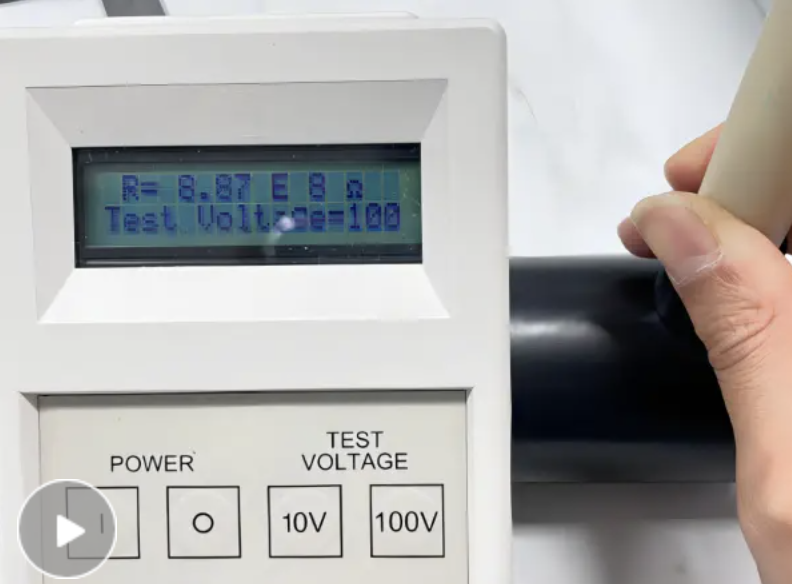
PSU sheets excel as electrical insulators thanks to their high dielectric strength and insulation resistance. Dielectric strength measures how much electric field a material can withstand without breaking down. PSU sheets typically have dielectric strengths around 16 to 20 kV/mm, making them effective barriers against electrical current leakage. This helps prevent short circuits and electrical failures in sensitive equipment.
Insulation resistance refers to the material’s ability to resist current flow through it over time. PSU sheets maintain high insulation resistance even under harsh conditions such as heat, moisture, or chemical exposure. This ensures components stay protected and function reliably in demanding environments.
Together, these electrical properties make PSU sheets a preferred choice for insulating parts in electrical and electronic systems. They minimize energy loss, reduce risk of electrical hazards, and extend the lifespan of devices.
PSU sheets are widely used in electrical and electronics engineering due to their robust insulation capabilities:
● Electrical Connectors and Terminal Blocks: PSU sheets provide excellent insulation between conductive parts, preventing accidental contact and short circuits.
● Switchgear and Circuit Breakers: Their high dielectric strength ensures reliable operation under high voltage conditions.
● Insulating Bushings and Spacers: PSU sheets maintain dimensional stability while electrically isolating components.
● Printed Circuit Board (PCB) Supports: PSU sheets support delicate PCBs, offering mechanical strength and insulation.
● Electronic Enclosures: They protect internal electronics from external electrical interference and environmental factors.
For example, in switchgear assemblies, PSU sheets prevent electrical arcing by insulating high-voltage components. This reduces maintenance needs and improves safety.
Compared to other plastics like polycarbonate or acrylic, PSU sheets offer:
● Higher thermal stability, allowing insulation at elevated temperatures.
● Superior chemical resistance, maintaining insulation properties even in corrosive environments.
● Better mechanical strength, supporting structural demands without cracking or deforming.
● Good dimensional stability, ensuring tight tolerances critical for electrical assemblies.
These advantages make PSU sheets a versatile and reliable material for electrical insulation applications.
Tip: When designing electrical components for harsh environments, choose PSU sheets for their combined high dielectric strength and chemical resistance to ensure long-lasting insulation and safety.
PSU sheets are highly valued in aerospace for their ability to withstand extreme conditions. These components must endure rapid temperature changes, high mechanical stress, and exposure to chemicals such as hydraulic fluids and fuels. PSU’s thermal stability ensures parts maintain shape and strength during flight, even at elevated temperatures. Its mechanical strength supports structural components, while chemical resistance prevents degradation from harsh substances.
Examples include interior cabin parts, brackets, and housings for electronic systems. PSU sheets help reduce weight compared to metals, improving fuel efficiency without sacrificing durability. Their dimensional stability ensures precise fit and function in complex assemblies, critical for safety and performance.
In medical applications, PSU sheets are prized for biocompatibility and chemical resistance. They resist sterilization chemicals like ethylene oxide and gamma radiation, maintaining integrity after repeated sterilization cycles. This makes PSU ideal for surgical instrument handles, medical device housings, and components that contact bodily fluids.
PSU’s transparency allows visual inspection of fluid flow or device status. Its strength and toughness protect devices from mechanical damage during use. Because it does not release harmful substances, PSU sheets ensure patient safety and regulatory compliance.
The oil and gas sector demands materials that endure aggressive environments, including exposure to acids, bases, hydrocarbons, and high pressures. PSU sheets meet these challenges with excellent chemical resistance and mechanical strength.
They are used in valve housings, seals, and protective covers that face corrosive drilling fluids and extreme temperatures. PSU’s thermal stability allows continuous operation without softening or cracking. Its toughness reduces risk of failure in critical components, improving operational safety.
For example, a valve housing made from PSU sheet can resist corrosion and maintain dimensional accuracy under pressure and heat, preventing leaks and costly downtime.
Tip: When selecting materials for aerospace, medical, or oil and gas applications, choose PSU sheets for their proven durability, chemical resistance, and thermal performance in extreme environments.
PSU sheets offer remarkable thermal stability, mechanical strength, and chemical resistance, making them ideal for demanding engineering applications. Their ability to endure extreme conditions makes them invaluable in industries such as aerospace, medical, and oil and gas. As engineering challenges evolve, PSU sheets promise continued relevance and innovation. Suzhou Jutai HPM Co., Ltd. provides these high-performance materials, ensuring reliability and efficiency for various industrial needs. Their PSU sheets are a testament to quality and durability, offering unmatched value in challenging environments.
A: A PSU Sheet is a flat form of Polyphenylsulfone, known for its high thermal stability, mechanical strength, and chemical resistance, making it ideal for demanding engineering applications.
A: PSU Sheets are used in aerospace for components like brackets and electronic housings due to their ability to withstand extreme temperatures and mechanical stress.
A: PSU Sheets are chosen for medical devices because of their biocompatibility, resistance to sterilization chemicals, and mechanical durability.
A: In oil and gas, PSU Sheets offer excellent chemical resistance and thermal stability, making them suitable for valve housings and seals exposed to harsh environments.


