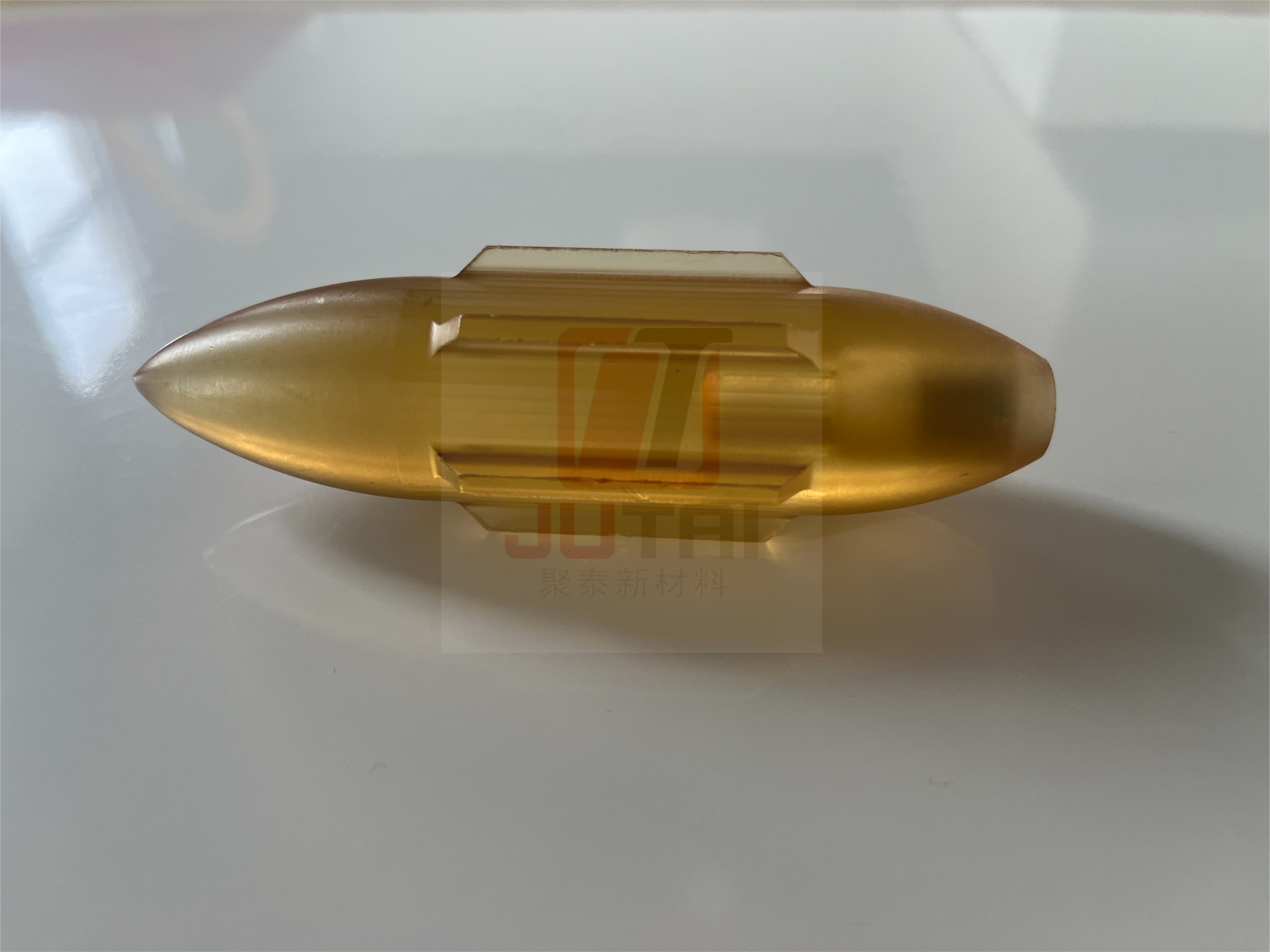
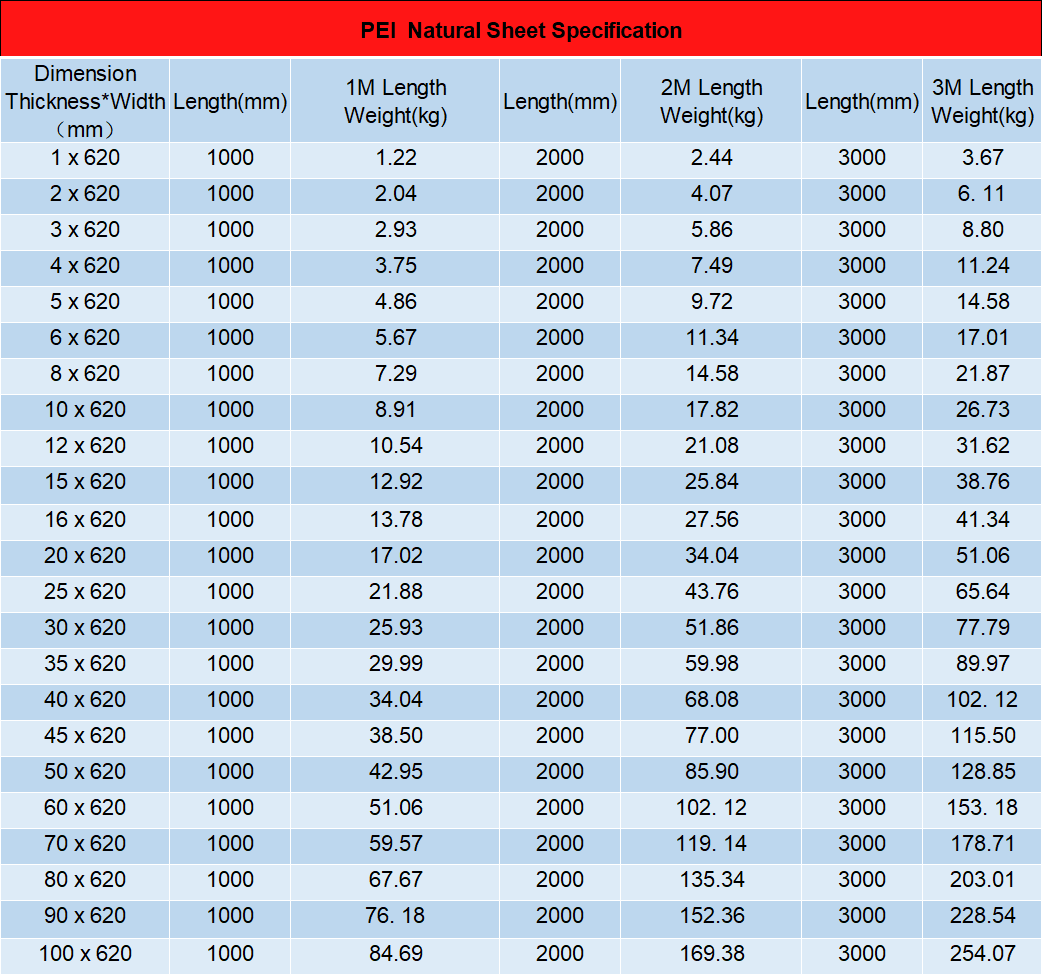
Polyetherimide ,Abbreviation: PEI
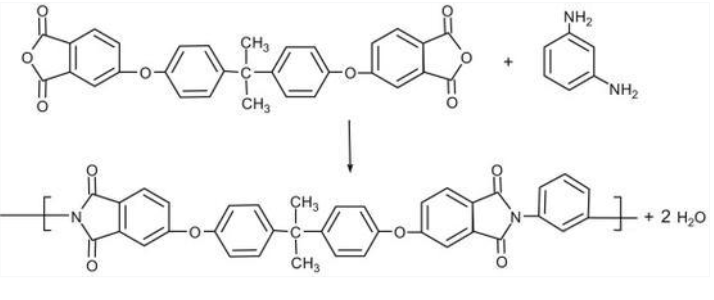
Molecular Structure:
PEI is a semi-crystalline high-performance polymer composed of aromatic rings, ether bonds (-O-), and imide rings (-CO-N-). These structural elements provide exceptional thermal stability, dimensional accuracy, and mechanical strength.
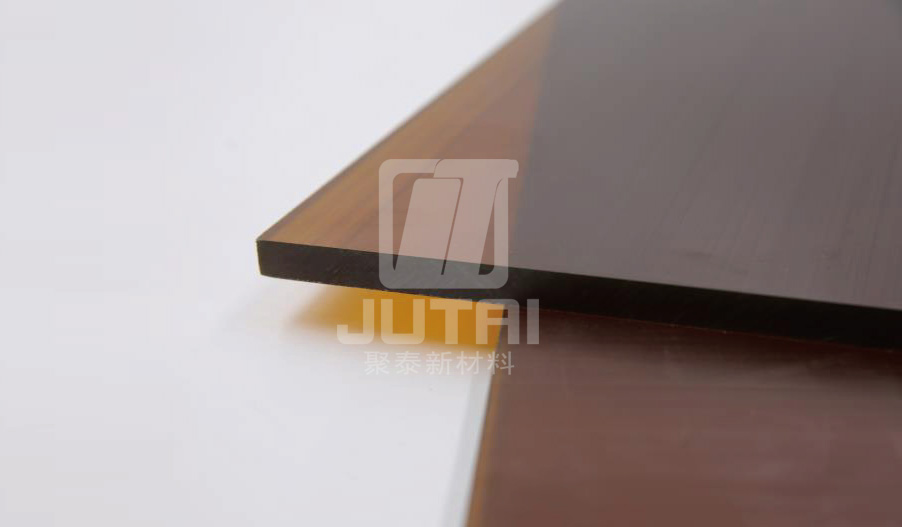
Outstanding heat resistance and dimensional accuracy
Higher strength and rigidity than PPS and PSU
Excellent electrical insulation and low smoke flame retardancy
Ideal replacement for metal components in high-tech industries
For PEI sheets, rods, machined parts, or custom components, feel free to contact us for technical support, material selection, and machining services.
Polyetherimide ,Abbreviation: PEI
Molecular Structure:
PEI is a semi-crystalline high-performance polymer composed of aromatic rings, ether bonds (-O-), and imide rings (-CO-N-). These structural elements provide exceptional thermal stability, dimensional accuracy, and mechanical strength.


Outstanding heat resistance and dimensional accuracy
Higher strength and rigidity than PPS and PSU
Excellent electrical insulation and low smoke flame retardancy
Ideal replacement for metal components in high-tech industries
For PEI sheets, rods, machined parts, or custom components, feel free to contact us for technical support, material selection, and machining services.
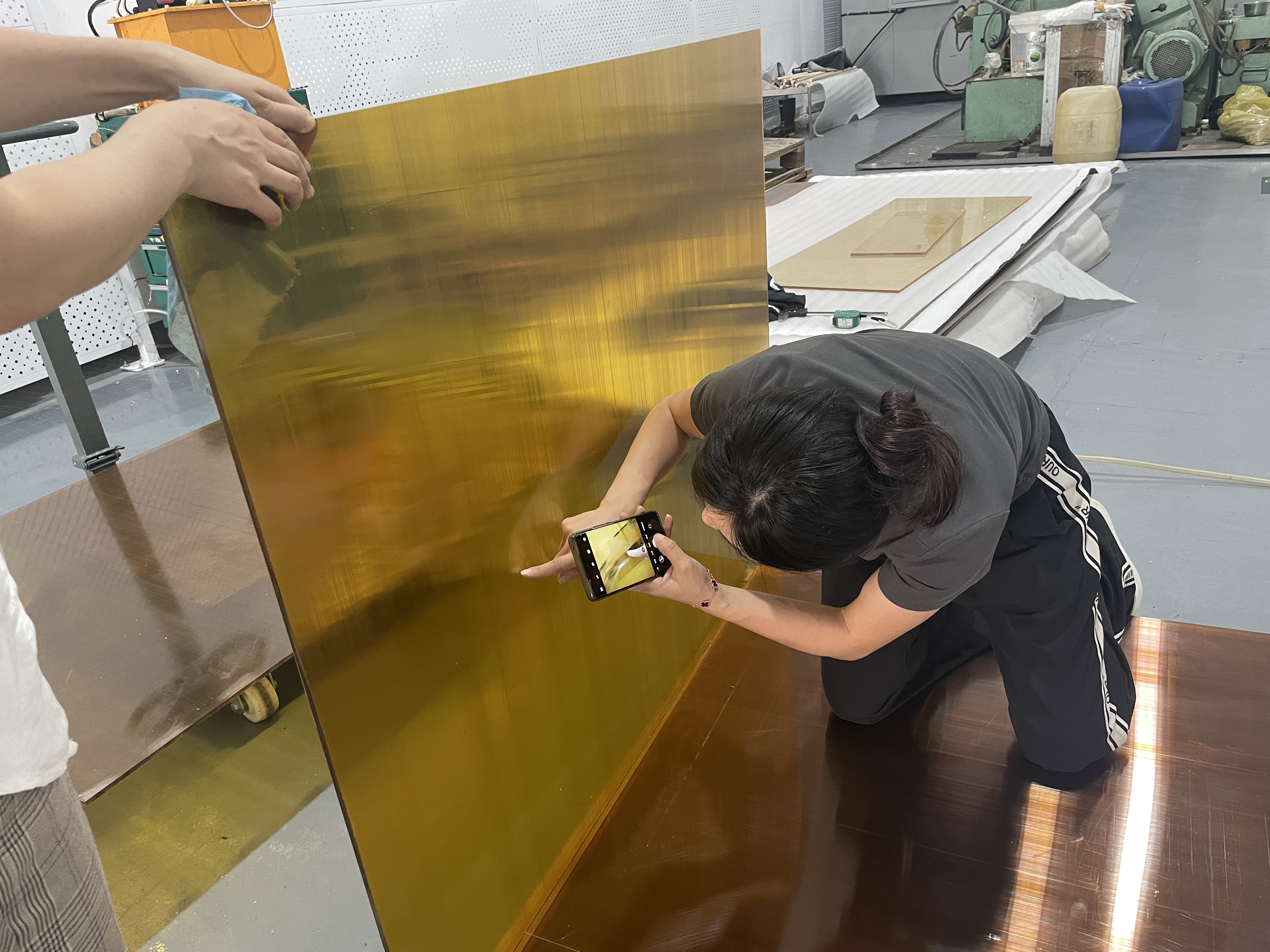
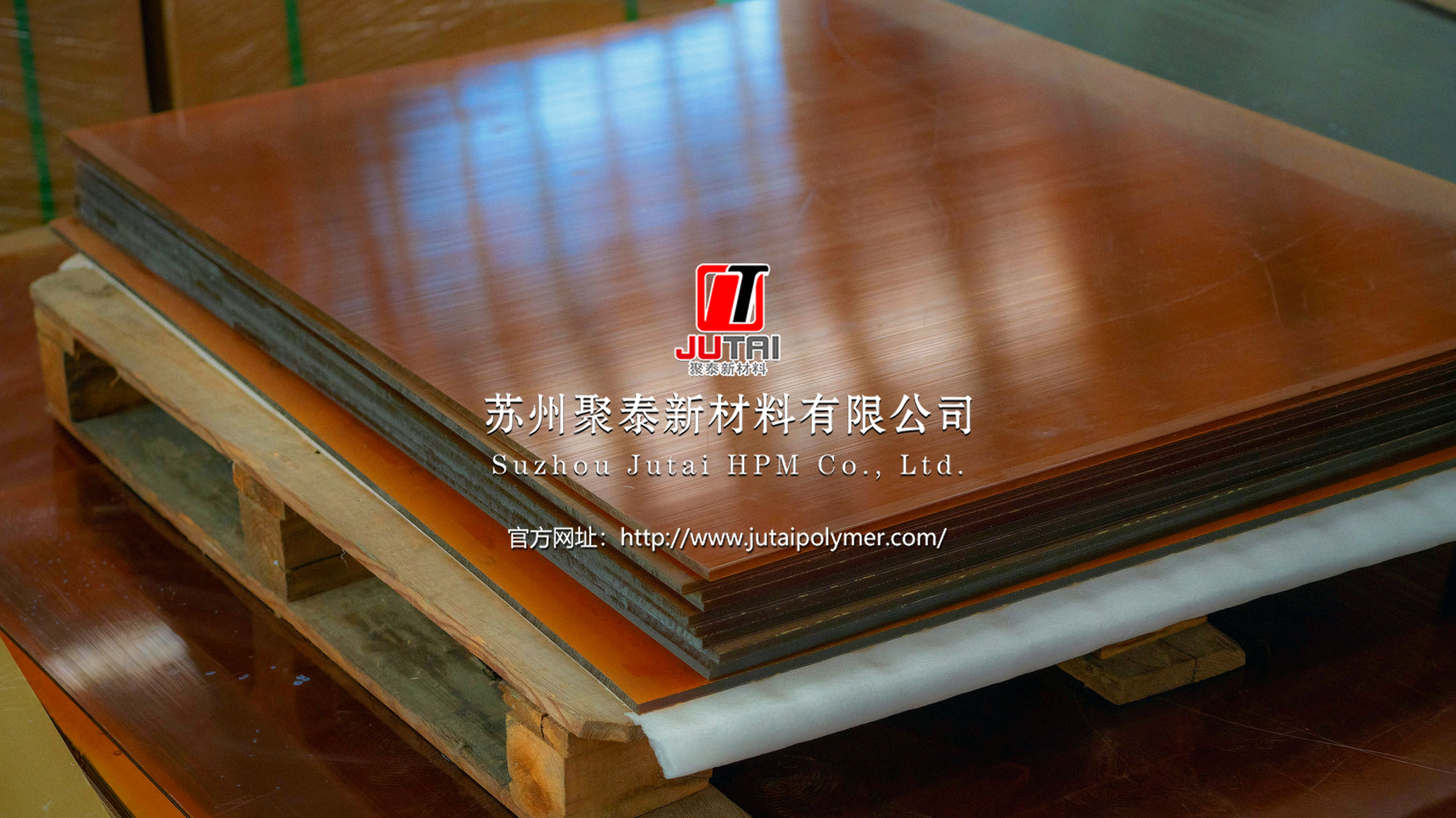
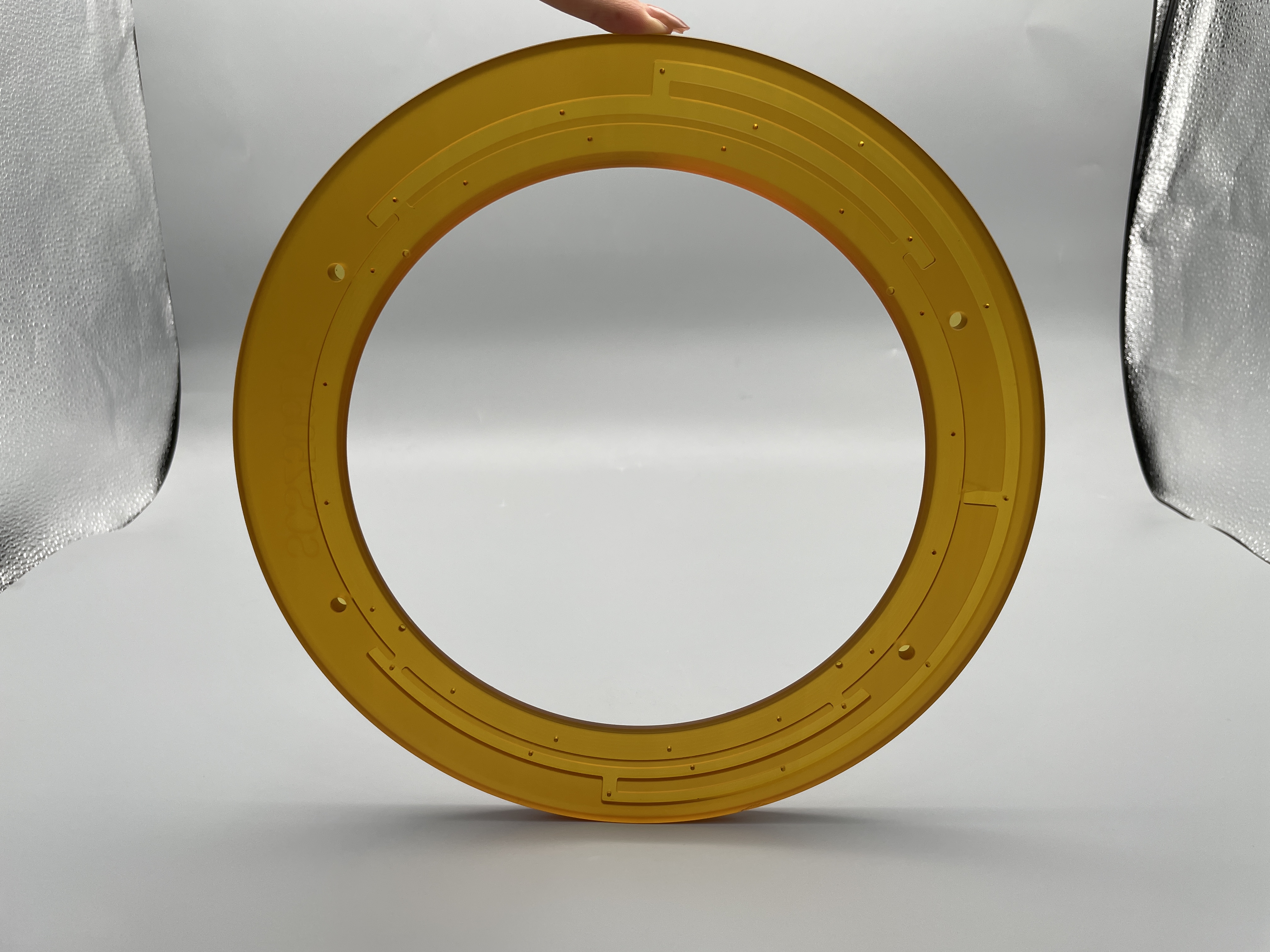
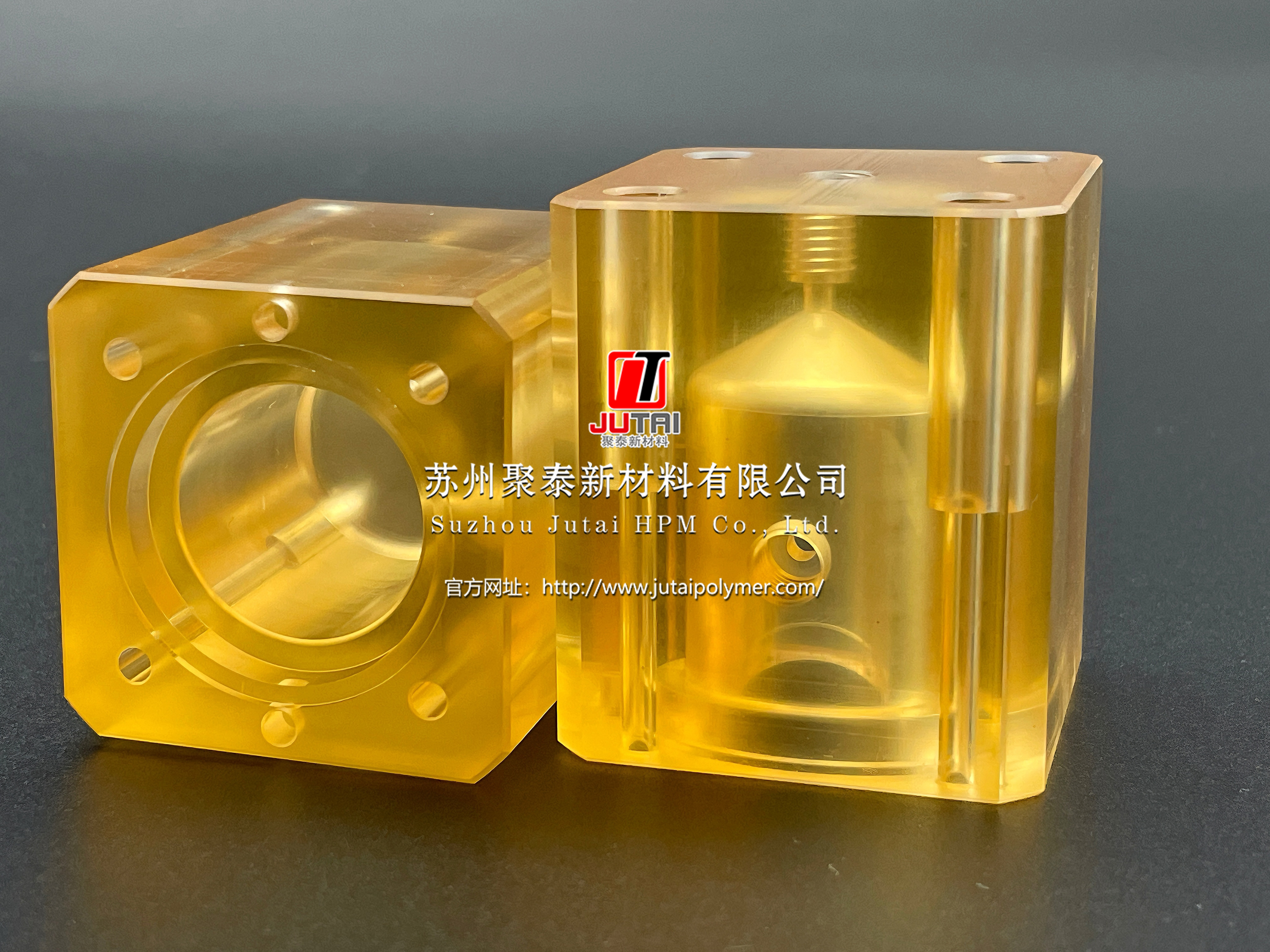
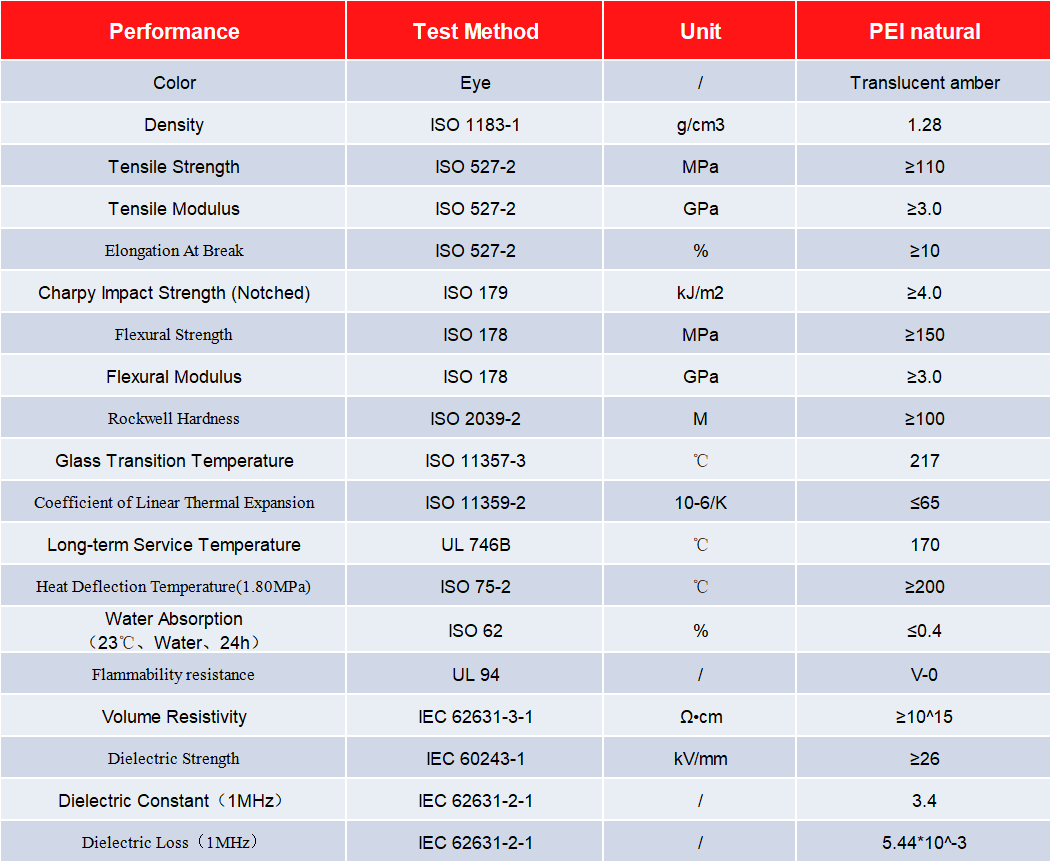
Appearance: Transparent amber color, non-toxic, odorless.
Dimensional Stability: Excellent dimensional precision with low and stable molding shrinkage.
Unreinforced PEI: 0.5% – 0.7%
Glass fiber reinforced: 0.1% – 0.3%
Water absorption: 0.16%
Low Thermal Expansion: Similar to metals, ideal for high-precision components.

High Strength and Modulus:
Tensile strength: up to 15,000 psi
Retains 6,000 psi even at 190°C
Flexural modulus (20% GF): up to 1,700,000 psi
Toughness: Elongation at break 60% – 80%, suitable for snap-fit and structural designs.
Excellent Creep & Fatigue Resistance
Impact Strength: Sensitive to notches, but proper design ensures high impact performance.
Long-term service temperature: 150°C – 170°C
Heat deflection temperature (HDT): up to 220°C
Glass transition temperature (Tg): 217°C
Short-term resistance: Withstands 180°C – 200°C without degradation
Thermal stability: Maintains strength, rigidity, and wear resistance under high heat.
Natural flame resistance—no additives required
Oxygen Index: 47%
Flammability Rating: UL94 V-0
Emits low smoke and toxicity.
Excellent resistance to hydrocarbons, alcohols, oils, halogenated solvents, inorganic acids, and short-term weak alkalis.
Resistant to hot water and hydrolysis: retains 85% tensile strength after 104 hours in boiling water.
Limited alkali resistance and dissolves in some solvents at temperatures ≥150°C.
Stable dielectric constant, low dielectric loss, and high dielectric strength across a wide temperature and frequency range.
Ideal for high-performance electronic and electrical insulation components.
| Property | Value | Property | Value |
|---|---|---|---|
| Specific Heat Capacity | 1.1 J/(g·℃) | Flow Temperature | >330°C |
| Thermal Conductivity | 0.9 kJ/(m·h·℃) | HDT | 200°C |
| Coefficient of Thermal Expansion | 5.62 x 10⁻⁵ /℃ | Dielectric Constant (10⁶ Hz) | 3.2 – 3.4 |
| Molding Shrinkage | 0.5% | Dielectric Loss (10⁶ Hz) | (3–8)×10⁻⊃3; |
| Oxygen Index | 40% | Volume Resistivity | 10⊃1;⁶ Ω·cm |
| Property | Value | Property | Value |
|---|---|---|---|
| Specific Heat Capacity | 1.1 J/(g·℃) | Flow Temperature | >330°C |
| Thermal Conductivity | 0.9 kJ/(m·h·℃) | HDT | 200°C |
| Coefficient of Thermal Expansion | 5.62 x 10⁻⁵ /℃ | Dielectric Constant (10⁶ Hz) | 3.2 – 3.4 |
| Molding Shrinkage | 0.5% | Dielectric Loss (10⁶ Hz) | (3–8)×10⁻⊃3; |
| Oxygen Index | 40% | Volume Resistivity | 10⊃1;⁶ Ω·cm |
Excellent UV and gamma radiation resistance.
Tensile strength remains at 94% after exposure to 400-megarad cobalt irradiation.
Suitable for injection molding, extrusion, blow molding, and 3D printing.
Must be pre-dried before processing due to moisture absorption.

Appearance: Transparent amber color, non-toxic, odorless.
Dimensional Stability: Excellent dimensional precision with low and stable molding shrinkage.
Unreinforced PEI: 0.5% – 0.7%
Glass fiber reinforced: 0.1% – 0.3%
Water absorption: 0.16%
Low Thermal Expansion: Similar to metals, ideal for high-precision components.

High Strength and Modulus:
Tensile strength: up to 15,000 psi
Retains 6,000 psi even at 190°C
Flexural modulus (20% GF): up to 1,700,000 psi
Toughness: Elongation at break 60% – 80%, suitable for snap-fit and structural designs.
Excellent Creep & Fatigue Resistance
Impact Strength: Sensitive to notches, but proper design ensures high impact performance.
Long-term service temperature: 150°C – 170°C
Heat deflection temperature (HDT): up to 220°C
Glass transition temperature (Tg): 217°C
Short-term resistance: Withstands 180°C – 200°C without degradation
Thermal stability: Maintains strength, rigidity, and wear resistance under high heat.
Natural flame resistance—no additives required
Oxygen Index: 47%
Flammability Rating: UL94 V-0
Emits low smoke and toxicity.
Excellent resistance to hydrocarbons, alcohols, oils, halogenated solvents, inorganic acids, and short-term weak alkalis.
Resistant to hot water and hydrolysis: retains 85% tensile strength after 104 hours in boiling water.
Limited alkali resistance and dissolves in some solvents at temperatures ≥150°C.
Stable dielectric constant, low dielectric loss, and high dielectric strength across a wide temperature and frequency range.
Ideal for high-performance electronic and electrical insulation components.
| Property | Value | Property | Value |
|---|---|---|---|
| Specific Heat Capacity | 1.1 J/(g·℃) | Flow Temperature | >330°C |
| Thermal Conductivity | 0.9 kJ/(m·h·℃) | HDT | 200°C |
| Coefficient of Thermal Expansion | 5.62 x 10⁻⁵ /℃ | Dielectric Constant (10⁶ Hz) | 3.2 – 3.4 |
| Molding Shrinkage | 0.5% | Dielectric Loss (10⁶ Hz) | (3–8)×10⁻⊃3; |
| Oxygen Index | 40% | Volume Resistivity | 10⊃1;⁶ Ω·cm |
| Property | Value | Property | Value |
|---|---|---|---|
| Specific Heat Capacity | 1.1 J/(g·℃) | Flow Temperature | >330°C |
| Thermal Conductivity | 0.9 kJ/(m·h·℃) | HDT | 200°C |
| Coefficient of Thermal Expansion | 5.62 x 10⁻⁵ /℃ | Dielectric Constant (10⁶ Hz) | 3.2 – 3.4 |
| Molding Shrinkage | 0.5% | Dielectric Loss (10⁶ Hz) | (3–8)×10⁻⊃3; |
| Oxygen Index | 40% | Volume Resistivity | 10⊃1;⁶ Ω·cm |
Excellent UV and gamma radiation resistance.
Tensile strength remains at 94% after exposure to 400-megarad cobalt irradiation.
Suitable for injection molding, extrusion, blow molding, and 3D printing.
Must be pre-dried before processing due to moisture absorption.

Used for high-temperature and structural components such as:
Engine parts, ignition components, temperature control housings
Gears, bearings, solenoid valve bodies
Headlight reflectors, lamp holders, electrical connectors
Vacuum pump impellers, oil-resistant components
PEI is widely used in:
Fiber optic connectors
Optical modules
Precision optical components

Ideal for:
Aircraft interior panels and components
Engine parts and jet propulsion systems
Lightweight EMI-shielding structures
Used for:
Connectors, relays, switches, PCB components
Precision molded optical fiber devices
High-performance electric motor components
Replaces metals in optical fiber connectors for better performance and reduced cost.
Suitable for:
Surgical instruments
Medical monitoring device housings
Sterilizable reusable and disposable medical components


Used for high-temperature and structural components such as:
Engine parts, ignition components, temperature control housings
Gears, bearings, solenoid valve bodies
Headlight reflectors, lamp holders, electrical connectors
Vacuum pump impellers, oil-resistant components
PEI is widely used in:
Fiber optic connectors
Optical modules
Precision optical components

Ideal for:
Aircraft interior panels and components
Engine parts and jet propulsion systems
Lightweight EMI-shielding structures
Used for:
Connectors, relays, switches, PCB components
Precision molded optical fiber devices
High-performance electric motor components
Replaces metals in optical fiber connectors for better performance and reduced cost.
Suitable for:
Surgical instruments
Medical monitoring device housings
Sterilizable reusable and disposable medical components