
Views: 0 Author: Site Editor Publish Time: 2025-10-10 Origin: Site


Can engineering materials withstand extreme conditions without losing integrity? PSU Sheet can. This engineering plastic, known as Polyphenylsulfone (PSU), excels in harsh environments. In this post, you'll learn about PSU Sheet's resilience and its critical role in demanding industries.
PSU sheet is a type of engineering plastic made from Polyphenylsulfone (PSU). It is known for its strong performance in tough environments. This sheet material is widely used in industries where materials face high heat, chemicals, and mechanical stress.
PSU sheet is a thermoplastic polymer sheet made from Polyphenylsulfone. It is designed to handle extreme conditions without losing its shape or strength. This makes it a popular choice for parts and components that need to work reliably under stress.
PSU sheet has several key properties that set it apart:
● High Heat Resistance: It can handle high temperatures without melting or deforming. This is due to its high glass transition temperature.
● Chemical Resistance: It resists damage from acids, bases, and hydrocarbons, making it ideal for chemical processing applications.
● Mechanical Strength: PSU sheet is tough and can withstand heavy loads. It offers high tensile and flexural strength.
● Electrical Insulation: It acts as a good insulator, blocking electrical currents, which is useful in electronics.
● Dimensional Stability: The sheet maintains its size and shape even when temperatures change, important for precision parts.
These characteristics allow PSU sheets to perform well where other plastics might fail. For example, in aerospace, medical, and oil and gas industries, PSU sheets provide durability and reliability.
PSU sheets also offer good processability, meaning they can be easily cut, machined, and formed into various shapes. This flexibility helps engineers design complex parts that fit specific needs.
In summary, PSU sheet combines toughness, heat resistance, and chemical durability. It serves as a versatile material for harsh environments that demand long-lasting performance.
Note: When selecting materials for harsh environments, consider PSU sheet for its unique balance of heat resistance, strength, and chemical stability.

Polyphenylsulfone (PSU) sheet stands out for its exceptional thermal stability, a key reason it excels in harsh environments. This material features a high glass transition temperature (Tg), which means it can endure elevated heat without softening or losing its mechanical strength. Typically, PSU’s Tg is around 185°C (365°F), significantly higher than many other engineering plastics. This high Tg ensures the sheet maintains its shape and performance even when exposed to sudden or prolonged heat.
Another important thermal property of PSU is its continuous use temperature (CUT). This refers to the highest temperature at which the material can operate continuously without degrading. PSU sheets can reliably withstand temperatures up to approximately 160°C (320°F) for extended periods. This makes them ideal for applications where parts must perform consistently under sustained heat stress.
Because of these thermal capabilities, PSU sheets find use in industries where heat resistance is crucial. For example, in aerospace, components often face extreme temperature swings—from the intense heat during flight to the cold of high altitudes. PSU sheets maintain structural integrity in these conditions, preventing deformation or failure. Similarly, in the oil and gas sector, equipment regularly encounters high temperatures. PSU’s ability to resist thermal degradation ensures long service life and safety.
PSU's thermal stability also allows it to resist thermal cycling—the repeated heating and cooling that can cause materials to crack or warp. This dimensional stability is vital for parts that require precise tolerances, such as seals or housings in engines and electrical systems.
In summary, PSU sheet’s combination of a high glass transition temperature and robust continuous use temperature makes it a reliable choice for high-temperature environments. Its performance ensures safety, durability, and consistent operation where other plastics might fail.
Tip: When designing for high-temperature applications, select PSU sheet to ensure long-term thermal stability and prevent material deformation under continuous heat exposure.
Polyphenylsulfone (PSU) sheet is highly valued for its outstanding chemical resistance. This property makes it a top choice in industries where exposure to harsh chemicals is common. PSU can withstand acids, bases, and hydrocarbons without losing its strength or shape. This durability ensures long-lasting performance in tough chemical environments.
PSU sheets resist a wide range of corrosive substances. Whether faced with strong acids or alkaline solutions, PSU maintains its integrity. It also tolerates hydrocarbons, which are common in many industrial fluids and fuels. This resistance is crucial because many materials degrade or weaken when exposed to such chemicals.
The chemical stability of PSU comes from its molecular structure, which prevents chemical reactions that cause breakdown or swelling. This means components made from PSU sheet can be used repeatedly without fear of damage from chemical exposure.
Chemical processing plants demand materials that can handle aggressive substances safely. PSU sheets fit well in this role. They are used to manufacture parts like tanks, pipes, and valves that come into contact with corrosive fluids. Using PSU reduces maintenance costs and downtime caused by material failures.
In addition, PSU’s resistance to chemicals helps maintain product purity. It does not leach harmful substances into the fluids it contacts, which is essential in pharmaceutical or food processing applications.
Industries such as oil and gas, water treatment, and electronics also benefit from PSU's chemical resistance. For example, in oil and gas, PSU components resist damage from drilling fluids and hydrocarbons, ensuring safety and reliability.
● Chemical tanks: PSU sheets are used to build tanks that store acids or bases safely.
● Piping systems: Pipes made from PSU resist corrosion from industrial chemicals.
● Seals and gaskets: These components maintain tight seals even when exposed to harsh fluids.
This chemical resilience extends the service life of equipment and reduces the risk of leaks or failures in critical systems.
Tip: Choose PSU sheet for chemical processing applications where exposure to acids, bases, or hydrocarbons is frequent to ensure durability and reduce maintenance costs.
Polyphenylsulfone (PSU) sheet is known for its impressive mechanical strength, making it an excellent choice for demanding applications. It offers high tensile and flexural strength, meaning it can handle both pulling forces and bending stresses without breaking or deforming.
Tensile strength is the ability of a material to resist being pulled apart. PSU sheets exhibit strong tensile strength, allowing them to withstand significant stretching or tension. This property is critical in applications where components face continuous or sudden pulling forces. For example, structural parts in aerospace and automotive industries require materials that won't fail under stress during operation.
Flexural strength measures a material’s ability to resist bending or flexing forces. PSU sheets perform well in this area, resisting bending without cracking or losing shape. This makes them suitable for parts exposed to torsion or bending, such as housings, brackets, and panels in vehicles and aircraft. Their ability to maintain integrity under flexural stress extends the lifespan of these components.
The aerospace sector demands materials that combine light weight with high strength. PSU sheets meet these requirements by providing durability without adding excess weight. They are used in interior components, structural supports, and insulation parts that must endure mechanical loads and vibrations during flight. PSU’s resistance to mechanical stress helps ensure safety and reliability in extreme conditions.
In automotive manufacturing, PSU sheets are valued for their toughness and resistance to mechanical wear. They are used in under-the-hood components, electrical housings, and interior parts that face mechanical strain and temperature variations. PSU helps improve vehicle durability while supporting design flexibility due to its ease of fabrication.
● Impact Resistance: PSU sheets can absorb shocks and impacts without cracking, useful in safety-critical parts.
● Fatigue Resistance: They withstand repeated mechanical loading cycles, preventing early failure.
● Dimensional Stability: Their mechanical strength complements thermal and chemical stability to keep parts precise and functional.
Tip: For applications requiring strong, durable components under mechanical stress, choose PSU sheet to ensure long-lasting performance in aerospace and automotive industries.
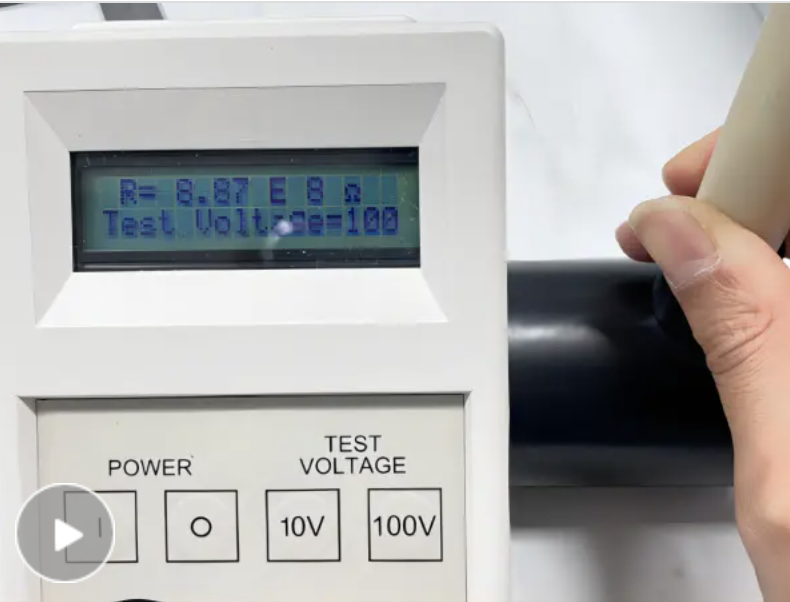
Polyphenylsulfone (PSU) sheet is highly valued in electrical and electronics engineering for its excellent electrical insulation properties. It effectively resists the flow of electric current, making it ideal for components that require reliable insulation to prevent electrical faults or failures.
Dielectric strength measures a material's ability to withstand electric stress without breaking down. PSU sheets have high dielectric strength, allowing them to endure strong electric fields without conducting electricity. This makes PSU a safe choice for insulating parts in high-voltage applications, such as circuit boards, connectors, and switchgear.
PSU also offers excellent insulation resistance, meaning it prevents current leakage over time. This property ensures that electrical devices maintain their performance and safety, even under continuous operation. It is especially important in environments where moisture, heat, or chemicals might otherwise degrade insulation.
The electrical insulation performance of PSU sheets supports the design of compact, efficient, and durable electronic components. Engineers use PSU in:
● Electrical Connectors: PSU resists heat and chemicals while providing stable insulation, ensuring connectors operate safely in harsh conditions.
● Insulating Components: PSU sheets form barriers preventing electrical shorts in devices like transformers and capacitors.
● Electronic Housings: PSU protects sensitive electronics from environmental factors while maintaining electrical isolation.
● Medical Electronics: PSU's biocompatibility and insulation make it suitable for medical device components exposed to electrical signals.
Compared to other plastics, PSU maintains its electrical properties at elevated temperatures, which is crucial for electronics that generate heat. Its chemical resistance also protects insulation integrity in corrosive environments, extending component lifespan.
● Aerospace Electronics: PSU insulates avionics systems exposed to wide temperature ranges and vibrations.
● Automotive Sensors: It safeguards sensors under the hood from heat, oil, and electrical interference.
● Industrial Control Systems: PSU sheets ensure reliable insulation in machinery control panels subjected to harsh chemicals and electrical loads.
Tip: When designing electrical components for harsh environments, choose PSU sheet for its high dielectric strength and insulation resistance to ensure long-term safety and performance.
Polyphenylsulfone (PSU) sheet is prized for its exceptional dimensional stability, a key feature for precision engineering applications. Dimensional stability means the material keeps its size and shape even when exposed to temperature changes or mechanical stress. This is crucial in industries where parts must fit exactly and perform reliably over time.
One reason PSU excels here is its strong resistance to thermal expansion and contraction. When materials heat up, they tend to expand; when cooled, they contract. This constant shifting can cause parts to warp, loosen, or fail in precision devices. PSU's molecular structure minimizes these changes, so components made from PSU sheet stay true to their original dimensions even under fluctuating temperatures.
This stability is especially important in precision engineering fields like aerospace, medical devices, and electronics. In aerospace, parts often face wide temperature swings during flight. PSU components maintain tight tolerances, ensuring safety and performance. In medical devices, where exact fits and reliable function are life-critical, PSU's dimensional stability helps keep instruments accurate and dependable. For electronics, precise insulation and housing parts benefit from PSU's resistance to deformation, preventing malfunctions caused by shifting parts.
Additionally, PSU resists moisture absorption, which can cause swelling or shrinkage in other plastics. This resistance further supports dimensional stability by preventing changes due to humidity or fluid exposure in harsh environments.
To sum up, PSU sheet's ability to resist thermal expansion, contraction, and moisture absorption makes it a top choice for applications requiring precise, stable parts. Its dimensional stability ensures long-lasting performance and reliability in demanding engineering settings.
Tip: For applications needing exact dimensions under temperature changes, select PSU sheet to maintain precision and prevent part deformation over time.
Polyphenylsulfone (PSU) sheets serve a vital role across industries where extreme conditions are the norm. Their unique combination of thermal stability, chemical resistance, mechanical strength, electrical insulation, and dimensional stability makes them ideal for critical applications. Below, we explore key sectors benefiting from PSU sheet’s robust performance.
In aerospace, materials face severe temperature swings, vibrations, and chemical exposure. PSU sheets provide lightweight yet durable solutions for interior and structural parts. They resist heat during high-altitude flights and maintain mechanical integrity despite constant stress and vibration. PSU’s dimensional stability ensures components fit precisely, supporting safety and efficiency. Examples include:
● Airframe components
● Interior panels and trims
● Electrical insulation parts for avionics
PSU’s biocompatibility and chemical resistance make it a trusted material in medical technology. It can safely contact human tissue without causing adverse reactions. The sheet’s ability to withstand sterilization processes and exposure to bodily fluids is crucial. Common medical uses include:
● Surgical instrument housings
● Components for diagnostic devices
● Parts in implantable medical devices
Oil and gas operations expose materials to corrosive fluids, high pressures, and elevated temperatures. PSU sheets withstand these harsh conditions, preventing degradation and ensuring equipment reliability. They are used in:
● Drilling fluid components
● Seals and gaskets
● Protective housings for sensors and control systems
PSU’s resistance to hydrocarbons and acids extends equipment life, reducing maintenance and downtime.
Electrical connectors often operate in environments with heat, chemicals, and mechanical stress. PSU sheets provide excellent electrical insulation, preventing short circuits or failures. Their chemical and thermal resistance ensures stable performance in demanding settings. Applications include:
● Connector housings in automotive and aerospace electronics
● Insulating barriers in industrial control systems
● Components in medical electronic devices
Tip: Choose PSU sheet for applications requiring reliable performance in extreme heat, chemical exposure, or mechanical stress to enhance safety and longevity across critical industries.
PSU sheet excels in extreme conditions with its thermal stability, chemical resistance, mechanical strength, electrical insulation, and dimensional stability. These features make it invaluable across industries such as aerospace, medical, oil and gas, and electronics. Looking ahead, innovations in PSU sheet applications promise even greater reliability and efficiency. Suzhou Jutai HPM Co., Ltd. provides PSU sheets that deliver unmatched value, offering durable solutions for challenging environments. Their products ensure long-lasting performance and safety, meeting the highest industry standards.
A: PSU sheet is a thermoplastic polymer sheet made from Polyphenylsulfone, known for its durability in extreme conditions.
A: PSU sheet has a high glass transition temperature, maintaining its shape and strength even at elevated temperatures.
A: PSU sheet resists acids, bases, and hydrocarbons, ensuring long-lasting performance in chemical environments.
A: PSU sheet offers thermal stability, mechanical strength, and dimensional stability, ideal for aerospace components.


