
Views: 0 Author: Site Editor Publish Time: 2026-09-26 Origin: Site


Securing a high-value engineering plastic like a conductive PEEK rod requires more than standard corrugated cardboard. Inadequate packaging directly threatens material integrity. It also damages project margins and timelines. Unlike ductile standard plastics, carbon-filled or CNT-filled conductive PEEK is highly rigid. This makes the material extremely susceptible to transit damage. Common issues include micro-fractures, surface contamination, and severe bowing during transport. For procurement and engineering teams, evaluating logistics remains vital. Assessing how a conductive PEEK rod supplier packages their product ensures quality control. It represents a critical step in final vendor selection. You must ensure raw materials arrive ready for high-precision machining. You will learn how to identify proper packaging standards. We will explore structural support requirements, contamination control, and receiving protocols. Protect your engineering investments through rigorous logistics oversight.
Sub-standard packaging for high-value thermoplastics poses serious operational hazards. When industrial materials arrive damaged, you face immediate production delays. Facilities waste expensive machine hours waiting for replacement stock. Let us examine the specific vulnerabilities of these specialized polymers.
While a peek natural rod offers high impact resistance, modified grades behave differently. The addition of carbon fibers fundamentally changes the material structure. Carbon nanotubes (CNTs) make conductive grades significantly stiffer. They become highly prone to snapping under improper flexural stress. Freight transit often introduces intense vibration and sudden drops. Without rigid packaging, these mechanical forces transfer directly into the plastic matrix.
Surface contamination represents another major risk factor. Industrial grime and moisture can ruin precision materials entirely. Cheap packing peanuts create friction-induced static during long transit routes. This static attracts microscopic dust directly to the rod surface. When this happens, machinists must perform excessive outer-diameter (OD) skimming. They waste expensive material just to reach a clean, electrically stable layer.
Transit impact also causes hidden structural damage. Unseen micro-cracks propagate deep into the polymer matrix. These subtle defects lead to sudden component failure during CNC machining. Worse, weakened parts might fail later in end-use semiconductor applications. Proper handling prevents these catastrophic outcomes before machining even begins.
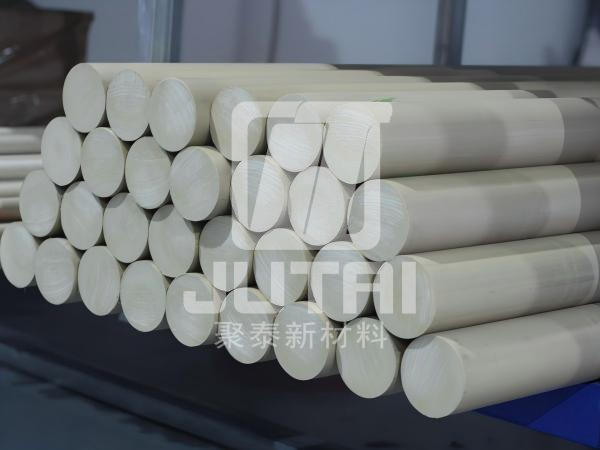
Logistics approaches vary wildly across the industrial plastics sector. You must carefully evaluate these methods to protect a peek rod effectively. Let us compare common packaging categories and their viability.
Cardboard tubes present a high-risk shipping solution. They offer low upfront costs for the supplier. They also keep overall shipment weight down. However, they prove completely inadequate for multi-rod shipments. Cardboard easily crushes under the weight of heavier adjacent freight. It offers zero structural rigidity against forklift mishandling or accidental drops.
Heavy-duty PVC or plastic tubing serves as a moderate option. This method provides excellent waterproofing against environmental elements. It prevents localized crushing during rough transit. Yet, severe risks remain hidden inside the tube. Rods often shift internally during transport. If suppliers fail to cap them properly, violent movement occurs. Without dense end-foam buffering, internal shifting leads directly to tip fracturing.
Custom wooden crating with foam inserts represents industry best practice. This robust solution proves essential for bulk orders. It also protects large-diameter billets perfectly. Wooden crates immobilize the material completely within the shipment. They prevent bowing across 1-meter to 3-meter lengths. Dense polyurethane foam absorbs high-impact shocks from rough warehouse handling.
Comparison of PEEK Transit Packaging Methods
| Packaging Method | Structural Rigidity | Contamination Risk | Ideal Use Case |
|---|---|---|---|
| Standard Cardboard Tubes | Very Low | High (Dust & Moisture) | Not recommended for precision grades |
| Heavy-Duty PVC Tubing | Moderate | Medium (Internal shifting) | Short-distance, single-rod shipments |
| Custom Wooden Crating | Very High | Low (Fully sealed) | Bulk freight and long-span transit |
Inner-layer packaging directly impacts final material performance. You must evaluate several critical dimensions regarding surface protection. These inner packaging features translate directly to successful machining outcomes.
Conductive rods require strict isolation using anti-static wraps. Standard bubble wrap generates significant triboelectric charging during transit vibration. This static electricity degrades the outer surface profile over time. Suppliers must use ESD-safe or neutral polyethylene films. These specialized wraps prevent surface residue accumulation completely. They ensure the material retains its precise, designed electrical resistance.
Moisture barriers provide another vital layer of environmental defense. PEEK inherently features near-zero moisture absorption natively. However, barrier bags serve a very different purpose here. They prevent atmospheric condensation from forming on the surface. They stop environmental debris from settling in microscopic pores. This protection proves critical for cleanroom-grade components. Semiconductor manufacturing demands absolute surface purity under ISO standards.
Physical segregation is equally important during logistics planning. Many shipments mix conductive grades with standard natural plastics. Suppliers must physically separate these materials within the crate. Carbon dust easily migrates during transit vibration. Segregation prevents cross-contamination between different material batches. Clean packing protocols preserve the electrical integrity of every single rod.
Buyers must ask key questions before finalizing any Purchase Order. Evaluating vendor logistics prevents costly downstream manufacturing failures. Use strict shortlisting logic during your procurement process.
First, examine their Service Level Agreements (SLA) and replacement policies. Does the supplier take full liability for freight damage? You need to understand their exact claim process thoroughly. Ask what specific documentation they require for damaged-on-arrival situations. Clear replacement policies indicate strong vendor confidence in their logistics.
Second, review their approach to packaging customization. Does the packaging scale appropriately to the conductive PEEK rod specifications? Micro-diameter rods require completely different stabilization methods. You cannot ship them like massive 100mm OD billets. Small rods need continuous support to prevent permanent bending. Large billets need heavy shock absorption to prevent deep cracking.
Third, demand strict traceability and labeling standards. Authentic suppliers clearly label all packaging materials. They include batch numbers and certified material test reports. They place explicit handling warnings prominently on the outer crate. This clear communication prevents warehouse mismanagement upon arrival. It ensures forklift operators handle the specialized crate carefully.
The end-user must take specific actions immediately upon arrival. Proper receiving maintains material integrity before machining operations begin. Implementation realities carry inherent handling risks.
You must establish a rigorous visual inspection protocol. Inspect the shipment for any transit stress immediately upon delivery. Follow these critical steps:
Document any deviations before accepting the final delivery.
Acclimatization forms the next critical preparation step. Rigid conductive plastics require proper temperature stabilization. Allow the material to acclimate to shop-floor temperatures for 24 to 48 hours. Keep it inside its protective wrapping during this entire period. This process prevents sudden thermal shock prior to machining. Rapid temperature changes cause unpredictable dimensional warping.
Storage routing dictates long-term material health. Never lean plastic rods vertically against a facility wall. Vertical storage causes permanent bowing over time due to gravity. Always store rods horizontally on approved shelving. Use continuous flat racks to support the entire length perfectly. This practice maintains absolute straightness until CNC machining begins.
Secure packaging goes far beyond a simple shipping detail. It functions as a strict quality assurance requirement. Specialized ESD and conductive plastics demand this high level of care. Poor handling ruins expensive materials and severely delays critical manufacturing projects.
We highly recommend demanding documented packaging standards immediately. Request these logistics details alongside material certificates when vetting new suppliers. Prioritize vendors who treat logistics as a primary core competency. Do not accept casual packaging as an afterthought. Protect your engineering investments through rigorous, proactive logistics oversight.
A: Vacuum sealing is not strictly necessary for moisture control, unlike materials such as Nylon. However, elite suppliers often use vacuum sealing to ensure pristine surface cleanliness. This method prevents microscopic dust and debris accumulation. Such cleanliness proves absolutely essential for high-precision semiconductor and aerospace applications.
A: Long rods require extensive rigid support to maintain perfect straightness. Quality suppliers use reinforced wooden skids or fully enclosed custom crates. They secure the rods internally using multi-point strapping systems. They also deploy dense foam inserts to eliminate all flexural stress during freight transit.
A: The internal bulk material properties remain completely stable. However, severe surface abrasion from poor packaging causes localized damage. This friction ruins the critical outer tolerance. It also compromises the fine surface finish required for precision ESD components, rendering the outer layer unusable.


