
Views: 0 Author: Site Editor Publish Time: 2026-09-30 Origin: Site


Sourcing a PEEK backup ring demands careful, strategic planning. You must balance the premium cost of raw polyetheretherketone against the massive risk of operational downtime. High-pressure environments simply cannot tolerate catastrophic seal failures. Standard generic procurement formulas often fail when applied here. They do not account for custom tooling constraints. They ignore the harsh realities of specialized polymer machining. This article guides procurement and engineering teams through these unique supply chain challenges. We will show you how to calculate realistic Minimum Order Quantities (MOQs). You will learn how to forecast lead times accurately. We explore how different manufacturing methods dictate your production schedule. We also examine how material grades and supplier capabilities directly impact your bottom line. By the end, you will know how to secure your supply chain efficiently. You will optimize operational costs without risking critical system failures.
High-performance polymers require precise, deliberate inventory planning. The raw peek material carries a significantly high price tag. You might hesitate to carry excess stock on your balance sheet. However, a high-pressure seal failure costs your business far more. Operational downtime in oil and gas applications can cost millions daily. Aerospace grounding events cause massive financial bleed and reputational damage. You must weigh the upfront material expense against potential catastrophic losses.
Supply chains for engineered polymers face unique vulnerabilities. Generic O-ring procurement logic assumes infinite shelf availability. This simplistic logic falls apart entirely for custom engineered seals. It also fails for associated system components like peek connectors. These parts require specialized, strictly controlled manufacturing processes. Raw material shortages can delay overall production for several months. Standard industrial distributors rarely stock highly custom sizes.
You define procurement success by achieving a delicate balance. Inventory holding costs must remain reasonable and predictable. They should never exceed the amortized costs of custom tooling. Expedited shipping fees also drain procurement budgets rapidly. You must plan bulk orders to avoid emergency rush jobs. Proper forecasting ensures you have critical parts precisely when you need them. It protects your assembly line from unexpected material shortages.
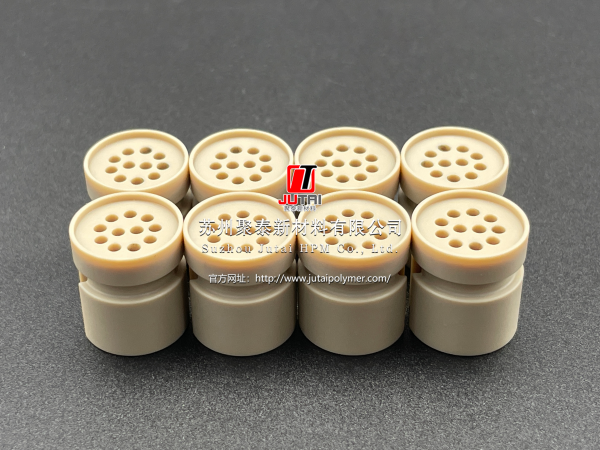
Your chosen production method directly controls your order minimums. It also dictates how long you will wait for initial delivery. Different stages of product development require completely different manufacturing approaches. We evaluate the two primary production paths below.
CNC machining removes material from extruded rod or tube stock. It requires absolutely no custom steel molds. This process offers immense flexibility during the early design phases.
You must watch out for long-term scalability issues here. Do not rely on machining for high-volume production needs. The per-piece price remains high due to extended machine cycle times. Material waste also drives up the individual unit cost.
Molding injects molten polymer directly into a custom steel cavity. It offers excellent repeatability across massive production runs. It utilizes expensive raw materials much more efficiently.
Common mistakes occur when buyers rush the tooling phase. Ensure your design is absolutely finalized before cutting steel. Modifying an existing mold cavity costs substantial time and money.
Table 1: Production Method Comparison Matrix
| Manufacturing Method | Typical MOQ | Initial Lead Time | Re-order Lead Time | Tooling Investment | Best Application Stage |
|---|---|---|---|---|---|
| CNC Machining | 1 - 100 units | 1 - 3 Weeks | 1 - 3 Weeks | Zero | Prototyping / Emergency |
| Injection Molding | 1,000+ units | 4 - 10 Weeks | 2 - 4 Weeks | High | Mass Production / Scaling |
Engineering design choices impact your supply chain agility directly. Standard dimensions save immense time and capital. Custom profiles add layers of complexity and inevitable delay. You must understand how these variables shift your procurement timeline.
Strict adherence to standard AS568 dash numbers helps immensely. Suppliers often own existing molds for these universally recognized sizes. They might already stock the required tube dimensions on their racks. Utilizing existing tooling drastically reduces your expected lead time. You can often skip the long mold fabrication phase entirely.
Custom profiles demand bespoke CNC programming. They require completely new mold fabrication for volume production. Unique cross-sections ensure perfect sealing in proprietary hardware. However, you must factor an extra 3 to 5 weeks into your schedule.
The specific polymer blend changes everything regarding availability. Not all grades sit readily on distributor shelves.
A backup ring never functions alone in a system. It supports a softer elastomeric O-ring under pressure. It integrates directly into metallic mating hardware. You must coordinate the delivery of all these components carefully. A late backup ring delivery stalls the entire assembly line.
Map out the individual lead times for every sealing component. Elastomers might arrive in two weeks, while polymers take eight. Prevent costly assembly bottlenecks through strictly aligned delivery schedules. Communicate these integration milestones clearly to every vendor involved.
Smart sourcing strategies protect your budget and your timeline. You do not always have to pay premium spot prices. You can structure agreements to balance upfront costs against long-term savings. We recommend several proven tactics for high-performance polymers.
Negotiate an annual high-volume contract covering your total forecasted usage. This helps you meet the strict injection molding MOQ requirements. However, you do not need to accept all parts immediately. Take physical delivery in smaller, scheduled monthly batches.
This strategy manages your company cash flow efficiently. You avoid tying up capital in warehouse inventory. Yet, you still secure the deeply discounted per-piece price of molded parts. It creates a win-win scenario for buyers and manufacturers.
Global supply chain disruptions happen frequently and without warning. Pay a slight premium to establish a safety stock program. Ask your supplier to hold 10% to 20% surplus inventory locally.
This approach eliminates emergency lead times entirely. You pull from this dedicated stock immediately during sudden demand spikes. It provides ultimate peace of mind for critical production lines.
Mold creation demands a high upfront financial investment. This often deters procurement teams from transitioning away from machining. You can structure your contracts creatively to bypass this hurdle. Ask the supplier to absorb the tooling cost initially. Guarantee a specific annual MOQ to secure this favorable arrangement. The supplier then builds the mold cost incrementally into the piece price. This keeps initial project launch costs incredibly low. It spreads the financial burden evenly across your entire production cycle.
Not all machine shops can handle high-performance polymers correctly. These materials require specific cutting speeds, feeds, and thermal management. You must thoroughly vet your manufacturing partners before placing large orders.
A highly reliable PEEK backup ring supplier possesses robust in-house machining equipment. In-house capabilities enable rapid prototyping without external delays. They also ensure a seamless, controlled transition to high-volume molded production. Outsourced tooling often causes severe communication breakdowns between multiple parties. It extends lead times unnecessarily and complicates quality control.
High-pressure seals demand flawless execution every single time. Ensure the supplier holds relevant and updated industry certifications. Look specifically for ISO 9001 and aerospace AS9100 credentials. Demand full raw material traceability from the resin manufacturer.
Suppliers must provide official certificates of conformance for every batch. Material contamination leads directly to catastrophic seal failures in the field. Never accept a polymer batch missing proper material documentation. You cannot verify the exact grade or origin otherwise.
Evaluate how the supplier handles bad news and delays. Assess their willingness to share realistic machine capacity constraints. Ask directly about their historical scrap and reject rates. Discuss their exact contingency plans for global raw material shortages.
Transparent partners help you adjust your MOQ planning proactively. They alert you to resin shortages months in advance. Hidden problems eventually become massive assembly line emergencies. Build relationships based on open, honest data sharing.
Securing a reliable supply of engineered seals requires strategic foresight. Start your process using CNC machining to validate the physical design. Confirm your precise specifications before committing to heavy tooling investments. Once you prove the concept, transition confidently to injection molding. Back this transition utilizing a comprehensive blanket order structure.
This phased approach maximizes your long-term return on investment. It minimizes early financial risk while securing future volume pricing. We encourage all procurement buyers to request a detailed break-even analysis today. Ask your engineering or sales contact to compare machining versus molding costs. Define your exact MOQ threshold immediately. Proactive planning ensures your equipment remains operational, safe, and highly profitable.
A: The break-even point usually falls between 500 and 1,500 units. This heavily depends on the complexity of the cross-section. Simple profiles require cheaper molds, lowering the break-even threshold. Complex geometries drive mold costs up, requiring higher volumes to justify the switch.
A: Yes, custom profiles require bespoke programming and entirely new molds. If you utilize standard AS568 sizes, lead times drop significantly. Suppliers often possess existing tooling for standard dimensions, cutting delivery times in half.
A: Often, yes. Suppliers specializing in high-performance polymers usually machine a wide variety of components. This allows you to negotiate better terms based on your total annual spend. Consolidating orders across multiple part families provides significant leverage.
A: No. Unlike rubber elastomers, this material is a highly inert thermoplastic. It features virtually no practical shelf life limitations under normal storage conditions. This unique stability makes large-volume safety stock highly viable and incredibly low-risk.


