


PEI (Polyetherimide) is a high-performance plastic material known for its excellent thermal stability, chemical resistance, and exceptional mechanical properties. In the world of 3D printing, PEI has gained significant attention as an ideal surface material for print beds, thanks to its ability to offer superior adhesion during the printing process. It is used extensively in a variety of applications, from aerospace to automotive, and has become a preferred material for 3D printing beds, particularly in the context of metal or plastic prints that require secure adhesion.
PEI sheets, which are thin, flexible sheets made from polyetherimide, have become an essential component for many 3D printing setups. They are typically used as a print bed surface due to their ability to create a strong bond between the printed object and the bed surface. In this article, we will dive deeper into what PEI is, how it functions in the world of 3D printing, and the various benefits it offers to 3D printing enthusiasts and professionals alike. We will also provide insights on how to use PEI sheets on your 3D printer bed, and why PEI has become one of the most trusted materials for print bed surfaces.
Understanding PEI in printing goes beyond just its physical properties. It’s about understanding how it can improve the efficiency, precision, and ease of the 3D printing process. If you’ve been searching for a reliable solution to enhance the adhesion and longevity of your prints, PEI sheets might just be the material you need to take your 3D printing experience to the next level.
Polyetherimide (PEI) is a high-temperature thermoplastic material known for its robustness and heat resistance. It is often used in engineering applications where high strength and thermal stability are crucial. In 3D printing, PEI sheets are applied to print beds to enhance adhesion during the printing process. These sheets are particularly popular for their ability to adhere to a wide variety of filaments, including PLA, ABS, PETG, and more.
The key benefit of using PEI in printing is its ability to create a stable bond between the print bed and the first few layers of the printed object. This is especially useful for filaments that are prone to warping, such as ABS. PEI's ability to form a strong adhesion at the start of the print ensures the model stays in place throughout the entire printing process, reducing the risk of failure due to shifting or lifting.
When used as a print bed surface, PEI sheets create a strong bond with the first layer of the printed object. PEI (Polyetherimide) has unique thermal properties that allow it to provide excellent adhesion at a variety of temperatures, making it ideal for 3D printing. As the print bed heats up, PEI maintains a consistent and secure connection between the print bed and the first few layers of filament. This bond helps prevent common printing issues, such as warping or detachment, ensuring the print stays in place during the entire process.
Benefits of Using PEI in 3D Printing
Superior Adhesion
PEI offers excellent adhesion, especially for filaments like PLA, ABS, and PETG, which tend to warp easily when they are printed. The strong bond between the PEI surface and the first few layers of the print prevents them from lifting off the print bed during the printing process. This is particularly critical for high-temperature filaments like ABS, which are prone to warping as they cool.
Durability and Longevity
One of the standout features of PEI is its durability. Unlike other bed surfaces, which may wear out over time, PEI sheets are highly resistant to damage and can withstand multiple prints without losing effectiveness. The surface remains reliable for a long period, even with repeated use. This makes PEI a cost-effective option in the long run.
Easy Print Removal
Once the print is completed and the bed cools down, the printed object can be easily removed from the PEI surface. The natural cooling process causes the print to detach from the PEI sheet, reducing the risk of damaging the print or the bed. This eliminates the need for additional tools like spatulas or adhesives for print removal.
Wide Filament Compatibility
PEI is compatible with a broad range of filaments, including PLA, ABS, PETG, Nylon, and TPU. This versatility makes it an ideal choice for 3D printing enthusiasts who work with different materials. It can provide reliable adhesion for all these types of filament without the need for different bed surfaces or adhesives.
No Additional Adhesives Required
One of the most significant advantages of PEI is that it eliminates the need for extra adhesives, such as glue sticks, tape, or hairspray. PEI provides a reliable and consistent bonding surface, which not only saves time but also removes the mess and maintenance associated with using additional adhesives.
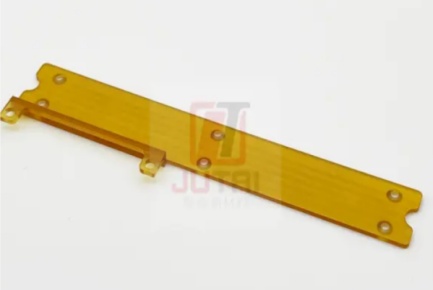
Using PEI sheets on your print bed is straightforward and can significantly improve the quality of your prints. Here's how you can get started:
Before applying the PEI sheet, ensure your print bed is clean. Use isopropyl alcohol or a gentle cleaning solution to remove any dust, grease, or residue from the surface. A clean bed ensures that the PEI sheet will adhere properly and perform optimally.
PEI sheets come with adhesive backing, making them easy to apply to your print bed. Align the sheet carefully with the surface of your bed and press it down, ensuring that it’s smooth and free from air bubbles. If you're using a non-adhesive PEI sheet, you can use glue or clips to secure it to the bed.
Most PEI sheets work best with a heated print bed. Set the bed temperature according to the filament you are using. For most materials like PLA, a temperature of around 50-60°C is ideal. For ABS, you may need to increase the temperature to around 100°C to achieve the best adhesion.
Once the bed is properly heated, you can start your print. The PEI sheet will provide strong adhesion, helping to prevent warping or shifting of the printed object during the process. The surface ensures that the filament sticks during the printing process while still allowing easy removal once the print has finished.
To ensure that your PEI sheet continues to provide excellent adhesion over time, it’s important to maintain it properly:
Clean Regularly: Use isopropyl alcohol or a mild soap solution to clean the PEI sheet between prints. This will remove any residue from the surface, ensuring consistent adhesion for each print.
Avoid Abrasive Materials: Do not use abrasive cleaning tools like steel wool or harsh chemicals, as these can scratch or damage the PEI surface.
Reapply Adhesion if Needed: If you notice the adhesion starting to diminish, lightly sand the surface with fine-grit sandpaper to refresh the sheet’s adhesive properties. This will restore its effectiveness for future prints.
Feature | PEI Sheet | Painter’s Tape | BuildTak |
Adhesion Quality | Excellent for most filaments | Good for PLA, but weak for ABS | Good, especially for ABS |
Durability | High (long-lasting) | Moderate (wears quickly) | High (long-lasting) |
Ease of Use | Very easy to use | Requires reapplication | Easy to use |
Maintenance | Low (occasional cleaning) | Moderate (needs regular cleaning) | Low (occasional cleaning) |
Cost | Moderate | Low | Moderate |
PEI sheets offer an excellent solution for achieving consistent adhesion during the 3D printing process. With their durability, versatility, and low maintenance requirements, PEI sheets can significantly improve the quality of your prints while reducing the risk of warping and failure. Whether you’re a hobbyist or a professional, investing in a PEI sheet for your 3D printer bed can make a huge difference in the reliability of your prints.
At Suzhou Jutai HPM Co., Ltd., we offer high-quality PEI sheets designed to provide long-lasting performance and superior adhesion for a wide range of filaments. Our products are built to meet the demands of modern 3D printing, ensuring that your prints are successful and consistent every time. For more information on our PEI sheets and other 3D printing accessories, visit Suzhou Jutai HPM Co., Ltd..
1. How long does a PEI sheet last?
PEI sheets are durable and can last for years with proper care and maintenance. Regular cleaning and careful handling will extend the sheet's lifespan.
2. Can I use PEI sheets for all types of filament?
Yes, PEI sheets are compatible with most 3D printing filaments, including PLA, ABS, PETG, TPU, and others, making them a versatile choice for a wide range of projects.
3. How do I clean a PEI sheet?
Clean the PEI sheet with isopropyl alcohol or mild soap and water to remove any residue or oils. Avoid abrasive cleaners or tools that can damage the surface.
4. Can I use PEI sheets without a heated bed?
While PEI sheets work best with a heated bed, they can still be used with a non-heated bed for certain materials, such as PLA, which adheres well at lower temperatures.


