


PEI (Polyetherimide) is a high-performance polymer known for its exceptional strength, heat resistance, and electrical insulating properties. These unique characteristics make PEI sheets incredibly versatile and indispensable in numerous industries, including aerospace, automotive, electronics, and medical applications. Due to its superior mechanical properties and thermal stability, PEI is often the material of choice for components that require reliability and durability under extreme conditions.
At Suzhou Jutai HPM Co., Ltd., we specialize in providing high-quality PEI sheets designed to meet the demanding needs of various industrial applications. Whether you’re working in aerospace, 3D printing, or electronics, PEI offers a range of benefits that make it a preferred material in high-performance environments. In this article, we will explore the various uses of PEI, highlight its key properties, and explain why it’s essential for different industries to leverage this high-performance material.
Before diving into the many uses of PEI, it’s important to understand what makes this material so unique:
High Heat Resistance: PEI can withstand high temperatures, typically up to 170°C (338°F) continuously and can handle short-term peaks up to 200°C (392°F). This makes it ideal for environments where parts are exposed to elevated temperatures.
Excellent Strength and Durability: Known for its superior mechanical strength, PEI maintains its structural integrity even under stress. This allows PEI components to perform well in demanding environments, reducing the likelihood of failure over time.
Electrical Insulation: With excellent dielectric properties, PEI provides outstanding electrical insulation, making it a reliable material for use in electronic and electrical components.
Chemical Resistance: PEI exhibits resistance to a wide range of chemicals, including acids, bases, and solvents, ensuring its durability in harsh environments.
Dimensional Stability: PEI has low thermal expansion, which ensures that it retains its shape and performance even under thermal fluctuations.
These key properties contribute to PEI's widespread use in various applications, providing long-lasting solutions for many industries. Let’s take a closer look at some of the most common uses of PEI sheets.
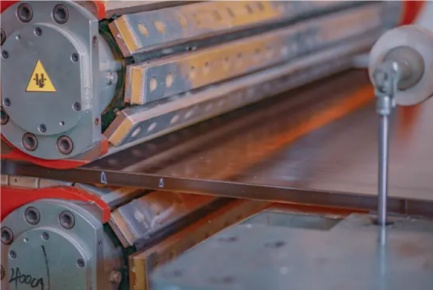
In the aerospace industry, performance and safety are critical, and PEI sheets are often used in various components of aircraft. Due to its high heat resistance and strength, PEI is used in the manufacturing of aircraft interior parts, heat shields, electrical connectors, and insulation materials. Its ability to endure extreme temperatures and harsh conditions ensures that it performs reliably, which is vital in aviation applications.
PEI sheets are also used in lightweight structural components for aircraft, where weight reduction is crucial without compromising strength. This allows for better fuel efficiency and overall performance.
Application | PEI’s Benefits |
Aircraft Interior Parts | High temperature resistance, lightweight, durable |
Heat Shields | Excellent heat resistance and structural integrity |
Electrical Components | Superior electrical insulation and reliability in harsh conditions |
In the automotive industry, PEI (Polyetherimide) is utilized to produce components that must endure extreme conditions such as high temperatures, mechanical stress, and exposure to various chemicals. Due to its exceptional thermal stability and chemical resistance, PEI sheets are commonly used in automotive electrical connectors, sensor housings, and various under-the-hood components. These parts are exposed to the intense heat generated by the engine, coolant, oils, and other automotive fluids. The ability of PEI to resist degradation in these environments makes it ideal for ensuring the longevity and reliability of automotive systems.
In addition to its use in standard components, PEI is also increasingly employed in the 3D printing of automotive prototypes. Its mechanical properties, stability, and high precision allow for accurate reproduction of car parts and prototypes. This capability is particularly beneficial in automotive design and manufacturing, where quick, reliable prototyping is essential for testing and validating new parts. The durability of PEI ensures that even the prototypes produced through 3D printing can withstand the tests typically given to actual car parts in real-world conditions.
PEI is widely used in the electronics industry due to its superior dielectric properties, high thermal stability, and excellent electrical insulation capabilities. PEI sheets are often employed as insulating materials in high-voltage electrical components, circuit boards, and connectors. These components are subject to high levels of heat during operation, and PEI’s ability to maintain stability and insulation under these conditions makes it a preferred material for manufacturers who require high-performance, reliable solutions.
In addition to its electrical insulating properties, PEI also excels in applications that require heat resistance. Heat sinks, which are essential for dissipating heat in electronic devices, and electronic housings made from PEI are designed to handle high temperatures while maintaining structural integrity. PEI’s resistance to heat and wear ensures that electronic components stay cool and functional over extended periods of operation.
Moreover, PEI is used in the manufacture of high-performance capacitors, microelectronic components, and electrical enclosures, where both insulation and heat resistance are paramount. The reliability and safety provided by PEI make it an ideal choice for electronics and electrical systems that need to operate under extreme conditions, ensuring performance and safety in critical applications.
In the medical industry, PEI is utilized to manufacture components that require biocompatibility, sterilization resistance, and long-term durability. Medical device housings, surgical instruments, biomedical equipment, and implants are some of the critical applications where PEI sheets are used. The chemical resistance of PEI ensures that it can withstand harsh sterilization processes, which is essential for medical devices that must be cleaned and sterilized regularly to prevent contamination.
Moreover, PEI’s high strength makes it a reliable material for medical equipment that needs to endure mechanical stress while maintaining structural integrity. Its excellent dimensional stability also plays a vital role in ensuring that medical devices and tools perform accurately and consistently over time. PEI is also utilized in the production of laboratory equipment and diagnostic tools, where precision, cleanliness, and material integrity are critical. The ability to maintain its form and function even under varying temperature conditions ensures that these components can withstand the rigorous demands of the medical field.
In addition, PEI is used in the production of implants and other medical applications that come into direct contact with the human body, thanks to its non-reactivity and resistance to environmental stress. This makes PEI a trusted material for devices and implants that need to be both durable and biocompatible.
The 3D printing industry has increasingly adopted PEI sheets as a popular choice for print bed surfaces due to their outstanding adhesion properties. When used as a build surface, PEI provides a superior grip for printed materials, helping to prevent common issues like warping and ensuring the print quality remains high throughout the printing process. This is especially crucial when printing with high-temperature materials such as ABS, Nylon, and Polycarbonate, which are prone to warping as they cool. PEI sheets help maintain a stable and consistent printing experience, allowing the material to adhere well during the printing process and release smoothly after cooling.
One of the major advantages of using PEI sheets in 3D printing is their long-lasting durability and ease of use. Unlike other print bed surfaces that require frequent maintenance or replacements, PEI sheets provide a reliable, low-maintenance solution that can handle multiple print jobs, making them a preferred choice in the 3D printing community.
The unique combination of high temperature resistance, mechanical strength, chemical resistance, and electrical insulation properties makes PEI sheets an ideal choice for many industries. This versatile material excels in demanding applications, offering exceptional reliability and durability in environments where other materials might fail. Whether used for high-performance aerospace components, automotive parts, medical devices, or 3D printing, PEI provides solutions that ensure superior performance and long-lasting results.
PEI’s ability to withstand extreme temperatures, resist corrosion, and offer electrical insulation makes it invaluable for industries that require materials capable of enduring harsh conditions. At Suzhou Jutai HPM Co., Ltd., we offer a comprehensive range of PEI sheets, tailored to meet the specific needs of various applications. Our high-performance materials are designed to deliver exceptional strength, heat resistance, and reliability, ensuring that your projects and products perform optimally under the most demanding conditions.
1. What are the primary applications of PEI sheets?
PEI sheets are used in industries such as aerospace, automotive, electronics, medical devices, and 3D printing due to their high heat resistance, strength, and electrical insulation properties.
2. How does PEI compare to other high-performance materials?
PEI offers superior mechanical strength, higher temperature resistance, and better chemical resistance compared to many other high-performance polymers, making it ideal for demanding applications.
3. Can PEI be used in high-temperature environments?
Yes, PEI can withstand temperatures up to 170°C (338°F) continuously, with short-term heat resistance up to 200°C (392°F), making it suitable for use in high-temperature environments.
4. What industries benefit the most from using PEI?
Industries such as aerospace, automotive, electronics, medical, and 3D printing all benefit from using PEI sheets due to their need for materials with exceptional strength, durability, and thermal stability.


