


When it comes to 3D printing, adhesion is crucial to achieving successful prints. One of the most popular materials used for print bed surfaces is PEI (Polyetherimide), known for its excellent adhesion properties and ease of use. However, as with any 3D printing material, questions often arise regarding its durability and how long it can withstand the pressures of continuous printing. Understanding the longevity of PEI sheets is important to ensure your print bed remains functional and efficient over time.
At Suzhou Jutai HPM Co., Ltd., we are dedicated to providing high-quality materials that enhance your 3D printing experience. Our PEI sheets are engineered to last, providing a solid foundation for your prints. In this article, we will dive into the durability of PEI, factors that affect its lifespan, and how you can maintain your PEI print bed to get the most out of it. Whether you're an avid hobbyist or a professional in the field, this guide will help you understand how durable PEI sheets are and how to care for them properly.
Before we discuss the durability of PEI, let’s first understand what it is and why it is such a popular choice in the 3D printing community. PEI sheets are commonly used as print bed surfaces due to their superior adhesion capabilities. PEI is a high-performance thermoplastic material known for its toughness, dimensional stability, and resistance to heat. These qualities make PEI ideal for use in 3D printing, particularly for materials that require a strong initial bond with the print bed.
PEI works by providing an adhesive surface that binds the print to the bed as the material cools, resulting in better adhesion during printing. Once the print is complete, the part typically detaches easily from the bed as it cools further, without warping or sticking too strongly.
While PEI is renowned for its performance, its longevity is a critical factor that affects the overall efficiency of your 3D printing setup. Let’s explore the factors that contribute to PEI’s durability and how you can make the most of your PEI print bed.
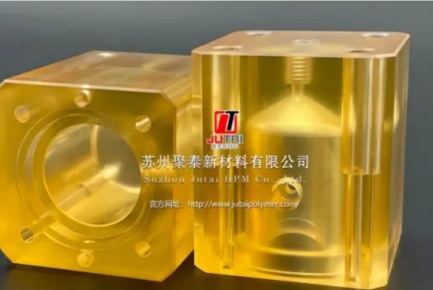
The longevity of PEI sheets depends on a variety of factors, including the frequency of use, the type of filament used, the maintenance routine, temperature exposure, and the potential for physical damage. Understanding these factors can help you maximize the lifespan of your PEI sheet, ensuring consistent performance and adhesion in your 3D printing projects.
One of the most significant factors affecting the durability of PEI sheets is how often they are used. Frequent printing can lead to wear and tear on the surface, especially when printing at high temperatures or subjecting the surface to mechanical stress. PEI sheets are typically exposed to repeated heating and cooling cycles, which, over time, can cause minor degradation of the surface. This is especially true in high-temperature environments or when using materials that place additional stress on the surface, such as ABS or nylon.
The more frequently a PEI sheet is used, the more likely it is that its surface will experience minor wear, which can affect its adhesion properties. As the surface starts to degrade, it may result in less effective adhesion for subsequent prints. Therefore, if you're printing frequently, it’s essential to monitor the condition of your PEI sheet and perform maintenance as needed.
The type of filament you use plays a crucial role in determining how long your PEI sheet will last. Filaments like PLA are relatively gentle on the PEI surface, causing minimal wear over time. However, tougher materials such as ABS, PETG, or nylon can be more aggressive and may lead to greater surface degradation. These materials often have higher melting points, which means they bond strongly to the PEI surface during printing.
While stronger adhesion during printing is desirable, it can also present challenges when removing the print from the bed. If not handled carefully, removing a print made with materials like ABS or nylon can cause scratches or residue build-up, which may damage the PEI sheet over time. Regular cleaning can help prevent this issue, but it’s essential to take extra care when using higher-temperature filaments to avoid damaging the PEI surface.
Proper maintenance and cleaning are key to extending the lifespan of your PEI sheet. Over time, filament residues, oils from handling, dust, and other debris can accumulate on the surface of the PEI sheet, affecting adhesion and print quality. Regular cleaning is essential to maintain the sheet’s performance.
To clean the PEI surface, it's best to use gentle cleaning methods that won't damage the material. Warm water or isopropyl alcohol (IPA) are typically sufficient for removing residues and maintaining the sheet. It's crucial to avoid abrasive cleaning tools, harsh chemicals, or solvents, as these can cause surface damage, leading to reduced adhesion quality and a shorter lifespan for the PEI sheet.
By cleaning your PEI sheet regularly, you can ensure that it maintains its smooth, non-stick surface, helping to preserve its durability and performance for future prints. Additionally, cleaning your PEI sheet after every print job can prevent the build-up of residue, which can otherwise compromise the surface.
PEI sheets are known for their high-temperature resistance, but exposure to extreme temperatures over extended periods can degrade the material. While PEI can handle temperatures up to around 150°C (depending on the specific grade), higher or fluctuating temperatures, especially those above the recommended limits, can cause warping or surface damage. Proper temperature control is crucial for maintaining the longevity of your PEI sheet.
Like any material, PEI is subject to physical wear. Scratches or dents from rough handling, improperly removed prints, or using sharp tools to scrape off prints can damage the surface, reducing its effectiveness. Additionally, heavy objects or repeated impacts may cause cracks in the sheet, compromising its durability.
Although PEI sheets are highly durable, there are several ways you can extend their lifespan:
Use a soft cloth and gentle cleaning solutions, such as isopropyl alcohol or warm water, to clean your PEI sheet. Avoid using harsh chemicals, abrasive cleaners, or scrub brushes that may scratch or damage the surface. Regular cleaning can help prevent the build-up of residue that can affect adhesion.
Whenever possible, protect the PEI surface from unnecessary physical damage. Be careful when removing prints and avoid using sharp objects. You can also use a soft spatula or scraper for easier print removal without damaging the surface.
Consider the types of filaments you are using. Filaments like PLA are less aggressive on the PEI sheet and will prolong its life. If you're printing with more challenging materials like ABS or nylon, consider using a PEI sheet with a build-up coating that can withstand higher stress or using additional adhesion aids (like glue sticks) to protect the surface.
Ensure that the PEI sheet does not regularly exceed its recommended temperature range. Avoid rapid temperature fluctuations, and allow the sheet to cool down gradually after printing. This will help preserve its structural integrity.
Factor | Impact on Durability |
Frequency of Use | Frequent use leads to wear and tear on the surface. |
Type of Filament | Aggressive filaments like ABS or nylon can cause damage. |
Maintenance and Cleaning | Regular gentle cleaning helps maintain the surface. |
Temperature Resistance | Overheating or fluctuating temperatures degrade PEI. |
Physical Damage | Scratches, dents, or cracks from improper handling reduce lifespan. |
more. However, more challenging materials like ABS and nylon may cause greater wear on the surface, so extra care may be needed when using them.
The durability of PEI sheets is impressive, but like all materials, their lifespan depends on several factors, including usage, maintenance, and the types of materials being printed. By understanding the factors that affect their longevity and following best practices for care, you can ensure that your PEI print bed remains effective and reliable for years to come.
At Suzhou Jutai HPM Co., Ltd., we provide high-quality PEI sheets that are designed for long-lasting durability and top-notch printing performance. To learn more about our products and how they can help you improve your 3D printing experience, visit Suzhou Jutai HPM Co., Ltd..
1. How long does a PEI sheet last?
A PEI sheet can last several years with proper care, but its lifespan may vary depending on usage frequency, the types of filaments used, and maintenance practices. On average, a well-maintained PEI sheet can last anywhere from 1 to 3 years.
2. Can a PEI sheet be cleaned with soap and water?
Yes, you can clean a PEI sheet with warm water and a mild soap solution. However, it’s recommended to use isopropyl alcohol for cleaning, as it removes residue more effectively without damaging the surface.
3. Does PEI wear out over time?
Yes, like any material, PEI can wear out over time, especially if exposed to high temperatures or aggressive filaments. Regular cleaning and proper maintenance can extend its lifespan significantly.
4. Can I use PEI sheets for all types of filaments?
PEI sheets are compatible with a wide range of filaments, including PLA, PETG, ABS, and


