
Views: 0 Author: Site Editor Publish Time: 2025-12-29 Origin: Site


Polyetherimide (PEI) sheet is a high-performance thermoplastic material that has garnered attention in various industries due to its exceptional properties. Known for its toughness, high-temperature stability, and chemical resistance, PEI has become a material of choice in applications where traditional plastics fail to meet the necessary performance standards. Whether you’re in the automotive, aerospace, electronics, or medical industries, PEI sheets offer a combination of qualities that make them highly versatile, reliable, and cost-effective.
This article will explore the unique characteristics of PEI, how it stands out from other materials, and why it is gaining widespread use in many high-demand applications. By understanding the benefits and special features of PEI, businesses and engineers can make informed decisions about whether it is the right material for their specific needs. At the end of this article, we will also provide a brief overview of Suzhou Jutai HPM Co., Ltd., a leading supplier of high-quality PEI sheets, and how they can support your material requirements.
PEI is a type of amorphous thermoplastic polymer known for its exceptional thermal stability, high strength, and resistance to both chemicals and radiation. It is widely used in industries that demand high-performance materials due to its ability to withstand extreme environments. PEI is often compared to other high-performance plastics, such as PEEK (Polyetheretherketone) and PTFE (Polytetrafluoroethylene), but it stands out due to its unique combination of properties, making it a cost-effective choice for various applications.
PEI is made by polymerizing monomers to create a polymer chain, which is then formed into sheets, rods, or films. The resulting material is known for being stiff, tough, and resistant to a range of physical and chemical stressors. It also exhibits a low coefficient of thermal expansion (CTE), meaning that it remains stable under thermal cycling conditions.
PEI sheets offer several advantages, making them a preferred choice for industries requiring high-performance materials. Some of the key features of PEI include:
One of the most outstanding features of PEI (Polyetherimide) is its exceptional high-temperature resistance, making it a top choice for applications exposed to heat. PEI sheets can maintain their mechanical properties even at continuous temperatures of up to 170°C (338°F). In high-demand industries, such as automotive and aerospace, where components must withstand extreme conditions, PEI excels. It not only resists high temperatures, but it also retains its strength and stiffness, ensuring that critical parts maintain their integrity during operation.
In addition to continuous high-temperature stability, PEI is also capable of withstanding short-term exposure to temperatures as high as 200°C (392°F). This makes it suitable for applications that experience temperature fluctuations or transient heat spikes. For example, in aerospace applications, where components such as electrical housings or insulation materials may face high heat during flight, PEI performs effectively in these extreme environments.
In addition to its high-temperature resistance, PEI sheets are renowned for their outstanding chemical resistance. PEI is resistant to a wide range of chemicals, including acids, bases, oils, and solvents, making it an excellent choice for applications in industries where exposure to aggressive substances is common.
For instance, in chemical processing industries, where equipment may come into contact with various corrosive substances, PEI’s chemical stability helps ensure that equipment remains safe and functional over time. PEI’s ability to withstand such environments also makes it ideal for food packaging applications. Given that many food packaging materials are exposed to oils, fats, and moisture, PEI sheets help maintain the material’s strength and appearance while ensuring it doesn’t degrade or lose its protective qualities.
In medical devices, where sterilization processes often involve harsh chemicals or high temperatures, PEI offers superior protection. Whether in surgical instruments, diagnostic tools, or pharmaceutical containers, PEI resists chemical degradation and maintains its durability, ensuring long-term safety and performance. For automotive applications, such as components exposed to oils and automotive fluids, PEI provides excellent protection against corrosion and degradation, helping automotive parts last longer and perform efficiently under tough conditions.
Another standout feature of PEI is its electrical insulating properties. It has a high dielectric strength and low electrical conductivity, making it an ideal material for electronic components. PEI sheets are widely used in the manufacturing of electrical insulators, connectors, and circuit boards where insulating properties are crucial to the functionality and safety of the devices.
Its low dielectric constant and high insulation resistance make PEI a material of choice for high-frequency and high-voltage applications, providing electrical reliability in challenging conditions.
PEI is known for its exceptional mechanical properties, including high tensile strength and impact resistance. It is tough, resilient, and can withstand heavy loads without cracking or breaking. This makes it ideal for applications requiring both strength and durability, such as automotive components, industrial machinery parts, and bearings.
Additionally, PEI has a low friction coefficient, which helps reduce wear and tear in moving parts, further extending the lifespan of components made from PEI sheets.
In certain applications, optical clarity is essential. PEI sheets are naturally transparent, providing excellent optical clarity, which is particularly valuable in applications such as optical lenses, transparent housings for electronic devices, and lighting components. Its inherent dimensional stability ensures that parts retain their shape and clarity over time, even in harsh environments.
For industries such as medical and healthcare, biocompatibility is critical. PEI is inherently biocompatible, making it suitable for medical devices and implants. It is used in applications where long-term contact with the human body is required, such as in catheters, surgical instruments, and diagnostic equipment. The material’s ability to withstand sterilization processes, such as autoclaving, further enhances its value in the medical field.
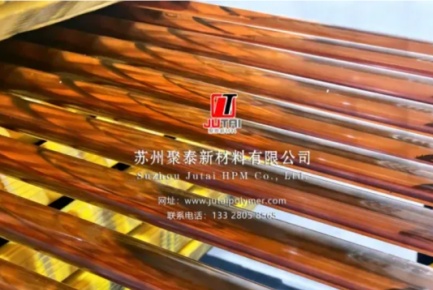
PEI sheets are used in a wide range of industries due to their versatility and outstanding properties. Here are some common applications:
In aerospace and automotive industries, PEI sheets are used for components that must withstand high temperatures and mechanical stress. PEI is often used in interior parts of vehicles, such as electrical connectors, seat components, and interior panels, due to its thermal stability, strength, and chemical resistance.
PEI sheets are also commonly used in electronics for insulation and protection of electrical components. They are found in circuit boards, capacitors, connectors, and other high-voltage parts. PEI’s electrical insulating properties ensure that electrical devices function safely and reliably.
The medical field benefits from PEI’s biocompatibility, which makes it a choice material for medical devices that require sterilization. Applications include surgical tools, diagnostic equipment, and implants. PEI can withstand repeated sterilization processes without degrading, making it suitable for long-term medical use.
PEI is widely used in industrial applications for parts such as bearings, seals, bushings, and gears. Its high mechanical strength, toughness, and wear resistance make it ideal for machinery components that operate in demanding environments.
When selecting the right PEI sheet for your application, there are a few key factors to consider:
Thickness: PEI sheets are available in various thicknesses, so choose the appropriate thickness based on the strength requirements of your application.
Temperature Range: Consider the temperature your components will be exposed to and ensure that the PEI sheet you choose can handle those conditions.
Chemical Resistance: If your application involves exposure to chemicals, ensure that the PEI sheet has the required chemical resistance.
Size and Shape: PEI sheets are available in various sizes, so make sure to choose one that fits your application. Custom cutting is also available for specific shapes.
PEI sheets stand out as one of the most reliable, high-performance materials available today. Whether you’re in the aerospace, automotive, medical, or electronics industry, PEI’s combination of thermal stability, strength, chemical resistance, and electrical insulating properties makes it an invaluable material. By choosing the right PEI sheet for your application, you can ensure that your products perform at their best, even in the most demanding environments.
At Suzhou Jutai HPM Co., Ltd., we specialize in providing high-quality PEI sheets that meet the needs of businesses across various industries. Our PEI sheets are designed for maximum performance, offering a combination of durability, reliability, and versatility. For more information on how our PEI sheets can enhance your products, feel free to contact us and discover how we can support your material needs.
Q: What makes PEI sheets different from other plastics?
A: PEI sheets offer superior high-temperature resistance, mechanical strength, and chemical resistance compared to other plastics, making them ideal for demanding applications.
Q: Can PEI be used in medical applications?
A: Yes, PEI is biocompatible and can be used in medical devices such as surgical instruments, implants, and diagnostic equipment.
Q: What is the maximum temperature that PEI can withstand?
A: PEI can maintain its mechanical properties at temperatures up to 170°C (338°F) continuously, with short-term exposure to temperatures as high as 200°C (392°F).
Q: How does PEI perform in electrical applications?
A: PEI has excellent electrical insulating properties, making it ideal for use in electrical components such as connectors, circuit boards, and high-voltage parts.


