
Views: 0 Author: Site Editor Publish Time: 2025-12-25 Origin: Site


The world of 3D printing is constantly evolving, and with that, the tools and materials we use to ensure successful prints are also advancing. One of the most popular and widely recommended materials for 3D printer beds is the PEI sheet. PEI (Polyetherimide) is a high-performance thermoplastic that has gained significant attention for its durability, heat resistance, and excellent adhesion properties, making it ideal for print beds.
In this article, we will explore how to use a PEI sheet effectively on your 3D print bed to achieve smoother prints, better adhesion, and improved overall print quality. Whether you’re a seasoned 3D printing professional or a hobbyist looking to enhance your printing experience, this guide will help you understand the benefits and techniques for integrating PEI sheets into your setup. We will also dive into the maintenance and care of PEI sheets to keep your prints coming out perfectly every time.
At Suzhou Jutai HPM Co., Ltd., we specialize in high-quality PEI sheets for 3D printing and can provide expert guidance on using and maintaining these materials. Feel free to reach out to us for further details on how our PEI sheets can help improve your 3D printing workflow.
A PEI sheet is a type of build surface used for 3D printing, which is made from Polyetherimide, a tough and durable thermoplastic. These sheets are commonly applied to the print bed of FDM (Fused Deposition Modeling) 3D printers. One of the standout features of PEI sheets is their ability to offer excellent adhesion for a wide range of materials, from PLA and ABS to more advanced filaments like PETG and nylon.
Key Features of PEI Sheets:
Durability: PEI sheets are highly resistant to wear and tear. This means they can be used for multiple prints over a long period without significant degradation.
Heat Resistance: PEI can withstand high temperatures, making it an excellent choice for high-heat applications like printing with ABS, which requires elevated bed temperatures.
Adhesion: One of the main reasons for using PEI sheets is their strong adhesion properties. The material helps the print stick to the bed more effectively during the printing process, leading to fewer failed prints.
Ease of Maintenance: Unlike other print bed surfaces, PEI sheets are relatively low-maintenance, and cleaning them is straightforward.
The PEI sheet is a must-have for 3D printers that deal with a variety of filament types and require a reliable, reusable, and efficient build surface. It enhances the adhesion of prints, minimizes warping, and ensures smoother first layers for better quality prints.
There are numerous benefits to using PEI sheets on your 3D print bed, especially when compared to other build surfaces like glass or tape. The PEI sheet stands out due to its unique properties that enhance print quality, adhesion, and ease of use.
One of the major reasons PEI sheets are popular among 3D printing enthusiasts is their strong adhesion properties. PEI sheets offer reliable adhesion for a variety of filaments, including PLA, ABS, PETG, and Nylon. When using PEI as your print bed surface, you can expect the first layer to stick well during printing, reducing the risk of warping and failed prints.
Filament Type | Adhesion with PEI Sheet |
PLA | Excellent |
ABS | Very Good |
PETG | Good |
Nylon | Excellent |
This superior adhesion is especially important for high-temperature materials such as ABS, which tends to warp easily on conventional beds. PEI sheets provide the perfect solution by keeping the print secure and preventing early failures.
Warping is a common problem when printing with materials like ABS. This issue occurs when the edges of the print lift off the bed due to uneven cooling. PEI sheets, thanks to their excellent thermal properties and adhesion, help reduce this effect by ensuring the print stays adhered to the bed throughout the process. As a result, you’ll experience fewer failed prints and better overall results.
Unlike other build surfaces, such as painter’s tape or Kapton tape, PEI sheets are designed to last for a long time, making them a more cost-effective solution in the long run. PEI sheets can withstand multiple print cycles, maintaining their adhesion and surface quality. You won’t need to replace them as often, making them an economical choice for regular and professional 3D printers.
The versatility of PEI sheets means they can be applied to a wide range of 3D printers. Whether you have a FDM or FFF printer, the PEI sheet can be easily installed on your print bed. It works well with both heated and unheated print beds, although the heated bed offers the best results for materials that require higher temperatures.
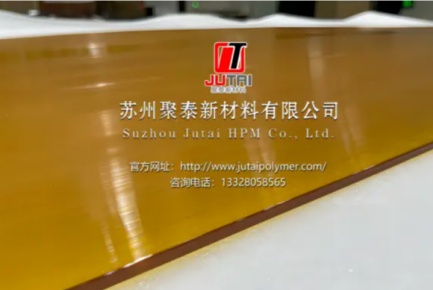
Using a PEI sheet on your 3D printer bed is a straightforward process, but a few key steps ensure that you achieve the best results. Below is a step-by-step guide to help you get the most out of your PEI sheet.
Start by thoroughly cleaning the print bed. Ensure there is no residue, dust, or grease left on the surface. A clean surface is essential for proper adhesion. Use a mild alcohol solution (isopropyl alcohol is commonly used) to wipe the surface clean. This step helps to remove any oils from your hands, debris, or leftover filament from previous prints.
Once your bed is clean, carefully apply the PEI sheet to the surface. PEI sheets typically come with adhesive backing, making installation easy. If your PEI sheet doesn’t come with adhesive backing, use a strong adhesive that can withstand high temperatures. Ensure the sheet is aligned properly on the bed to avoid uneven printing areas.
For materials like ABS and PETG, it’s recommended to heat the print bed. Set the temperature according to the filament’s requirements. PEI sheets are heat-resistant and work exceptionally well with heated beds, ensuring a strong bond between the filament and the bed during printing.
Now that your PEI sheet is installed and the bed is heated, you’re ready to print! Load your filament and send your print job to the 3D printer. During the printing process, the PEI sheet will provide excellent adhesion, reducing the chances of warping and ensuring a high-quality first layer.
Once the print is complete, let the print cool down. The PEI sheet’s adhesion properties are temperature-dependent, meaning that as the bed cools, the print will naturally release from the surface. This makes post-print removal much easier compared to other surfaces.
The PEI sheet offers several benefits over other print bed surfaces, such as glass or tape. Below is a comparison to help illustrate the advantages.
Feature | PEI Sheets | Other Build Surfaces |
Adhesion | Excellent, no warping | May require additional adhesives |
Durability | High, lasts for hundreds of prints | May degrade after several uses |
Ease of Maintenance | Low maintenance, easy to clean | Requires frequent replacement |
Compatibility | Works with all filament types | Not suitable for all materials |
The PEI sheet is a game-changer for 3D printing, offering excellent adhesion, durability, and ease of use for a wide range of filament types. By using a PEI sheet on your print bed, you can enhance the quality of your prints, reduce the risk of warping, and ensure smooth printing experiences. Whether you're a hobbyist or a professional, the PEI sheet is an essential addition to your 3D printing setup.
At Suzhou Jutai HPM Co., Ltd., we are committed to providing high-quality PEI sheets that help 3D printing businesses achieve better results. If you’re interested in learning more about our products or need guidance on how to integrate PEI sheets into your printing process, feel free to contact us directly. Our team is here to help you optimize your 3D printing operations and achieve exceptional results every time.
Answer: Yes, PEI sheets are compatible with most FDM and FFF 3D printers, making them a versatile option for a wide range of machines.
Answer: Clean your PEI sheet with isopropyl alcohol after each print to maintain its adhesion properties and ensure a smooth printing surface.
Answer: Yes, PEI sheets work well with flexible filaments such as TPU, providing strong adhesion and reducing warping.
Answer: Yes, if the adhesion properties of your PEI sheet start to wear out, you can lightly sand the surface or apply a fresh layer of adhesive to restore functionality.


